Skip to content

Democrat · U.S. House, Puerto Rico at large

Serving since Jan 3, 2025119th Congress (2025–27)next election Nov 3, 2026

Bioguide H001103FEC H4PR01010

Portrait of Pablo José Hernández Rivera, rendered as a two-tone print
Official portrait
0.6%
of statements contain a personal attack, in the bottom 5% of House Democrats

0.6% of 957 statements contain a personal attack (6 statements); the average for House Democrats is 6.6%. Ranks 207th of 216, where 1st is the highest rate.

An AI model reads each of Rivera’s press releases, posts on X and Congressional Record speeches and marks whether it attacks a person’s character, integrity or loyalty. The rate is the share of statements marked; it is compared with the average among House Democrats and ranked against the same group.

At a glance

6 measures against House Democrats. 0.1% of Rivera’s statements use an extreme label, in the bottom 5% of House Democrats (average 1.9%). 12% of Rivera’s statements criticize a policy, in the bottom tenth of House Democrats (average 28%).

The measures on which Rivera sits furthest from the middle of House Democrats, each against the same group, with the CSIP score when there is one. Every number is explained in its own section below.

Personal attacks

0.6%

House Democrats average 6.6% · ranks 207th of 216

Extreme labels

0.1%

House Democrats average 1.9% · ranks 210th of 216

Policy criticism

12%

House Democrats average 28% · ranks 204th of 216

Credit claiming

35%

House Democrats average 23% · ranks 16th of 216

CSIP ideology

−0.56

More conservative than 93% of House Democrats · ± 0.06

From Puerto Rico, 2026

85%

Of itemized individual dollars · ranks 21st of 214 House Democrats

Peer group: House Democrats. Rank 1 is the highest value in the group; the thick bar is Rivera, the thin grey bar the peer average. The headline is the measure on which Rivera is most unusual among peers (Methods, §08).

Back to topNext: What politicians say

What Rivera says

Rivera attacks opponents personally less than 95% of House Democrats. Personal attacks in 0.6% of 957 statements, against 6.6% for the average House Democrat; 207th of 216.

An AI model reads each of Rivera’s 957 statements in the 119th Congress (706 posts on X, 151 press releases, 100 Congressional Record speeches) and marks the kinds of statement it contains: a personal attack, criticism of a policy, discussion of policy, bipartisanship, credit claiming, and extreme labels. A statement can carry several. Every rate is compared with the average for House Democrats and ranked among them.

Kinds of statement

Share of statements carrying each label, the 119th Congress

0%80%
Rivera
Peers
Rank
Policy discussion761 statements
80%
73%
41st of 216
Credit claiming339 statements
35%
23%
16th of 216
Policy criticism116 statements
12%
28%
204th of 216
Bipartisanship70 statements
7%
10%
137th of 216
Personal attacks6 statements
1%
7%
207th of 216
Show the data
Rivera's share of statements in each category against the House Democrats average.
RowRiveraPeers
Policy discussion80%73%
Credit claiming35%23%
Policy criticism12%28%
Bipartisanship7%10%
Personal attacks1%7%
957

statements classified

706 posts on X, 151 press releases, 100 Congressional Record speeches.

posts on X: 706 (73.8%)posts on X 706press releases: 151 (15.8%)Congressional Record speeches: 100 (10.4%)
Show the data
Rivera's statements by source
PartValue
posts on X706
press releases151
Congressional Record speeches100
How to read the bars

The thick bar is Rivera; the thin grey bar is the average House Democrats. A longer thick bar means Rivera does this more than peers. Rank 1 is the highest rate in the group.

Extreme labels

Rivera used extreme labels in 0.1% of statements, 5.2% of the peer average. 1 statement; peers 1.9%.

    Who gets the labels

    Targets named alongside an extreme label, by number of statements

    No targets recorded.

    What an extreme label is

    Calls a politician, a party or a policy “far left”, “far right”, “MAGA”, “extreme”, “radical”, “woke”, “fascist” or “communist”. The target is who or what the label was aimed at. The lists show the five most used labels and targets; the toggle shows the rest.

    Month by month

    Share of statements per month, the 119th Congress

    Statements2025-01: 502025-02: 652025-03: 672025-04: 382025-05: 372025-06: 522025-07: 542025-08: 372025-09: 432025-10: 112025-11: 312025-12: 402026-01: 472026-02: 582026-03: 402026-04: 182026-05: 352026-06: 692026-07: 292026-08: 452026-09: 562026-10: 35peak 69 · Jun ’26Personal attackspeak 3.5% · Jul ’26 · latest 0.0%Personal attacks, 2025-01: 2.0% of 50Personal attacks, 2025-02: 0.0% of 65Personal attacks, 2025-03: 0.0% of 67Personal attacks, 2025-04: 0.0% of 38Personal attacks, 2025-05: 0.0% of 37Personal attacks, 2025-06: 1.9% of 52Personal attacks, 2025-07: 0.0% of 54Personal attacks, 2025-08: 2.7% of 37Personal attacks, 2025-09: 0.0% of 43Personal attacks, 2025-10: 0.0% of 11Personal attacks, 2025-11: 0.0% of 31Personal attacks, 2025-12: 0.0% of 40Personal attacks, 2026-01: 0.0% of 47Personal attacks, 2026-02: 1.7% of 58Personal attacks, 2026-03: 0.0% of 40Personal attacks, 2026-04: 0.0% of 18Personal attacks, 2026-05: 0.0% of 35Personal attacks, 2026-06: 0.0% of 69Personal attacks, 2026-07: 3.5% of 29Personal attacks, 2026-08: 2.2% of 45Personal attacks, 2026-09: 0.0% of 56Personal attacks, 2026-10: 0.0% of 35Policy criticismpeak 25.7% · May ’26 · latest 14.3%Policy criticism, 2025-01: 6.0% of 50Policy criticism, 2025-02: 20.0% of 65Policy criticism, 2025-03: 7.5% of 67Policy criticism, 2025-04: 0.0% of 38Policy criticism, 2025-05: 8.1% of 37Policy criticism, 2025-06: 21.1% of 52Policy criticism, 2025-07: 3.7% of 54Policy criticism, 2025-08: 13.5% of 37Policy criticism, 2025-09: 7.0% of 43Policy criticism, 2025-10: 9.1% of 11Policy criticism, 2025-11: 12.9% of 31Policy criticism, 2025-12: 7.5% of 40Policy criticism, 2026-01: 2.1% of 47Policy criticism, 2026-02: 12.1% of 58Policy criticism, 2026-03: 15.0% of 40Policy criticism, 2026-04: 22.2% of 18Policy criticism, 2026-05: 25.7% of 35Policy criticism, 2026-06: 14.5% of 69Policy criticism, 2026-07: 10.3% of 29Policy criticism, 2026-08: 22.2% of 45Policy criticism, 2026-09: 14.3% of 56Policy criticism, 2026-10: 14.3% of 35Policy discussionpeak 97.3% · Aug ’25 · latest 85.7%Policy discussion, 2025-01: 68.0% of 50Policy discussion, 2025-02: 84.6% of 65Policy discussion, 2025-03: 59.7% of 67Policy discussion, 2025-04: 65.8% of 38Policy discussion, 2025-05: 75.7% of 37Policy discussion, 2025-06: 82.7% of 52Policy discussion, 2025-07: 72.2% of 54Policy discussion, 2025-08: 97.3% of 37Policy discussion, 2025-09: 81.4% of 43Policy discussion, 2025-10: 90.9% of 11Policy discussion, 2025-11: 77.4% of 31Policy discussion, 2025-12: 57.5% of 40Policy discussion, 2026-01: 85.1% of 47Policy discussion, 2026-02: 74.1% of 58Policy discussion, 2026-03: 87.5% of 40Policy discussion, 2026-04: 83.3% of 18Policy discussion, 2026-05: 85.7% of 35Policy discussion, 2026-06: 87.0% of 69Policy discussion, 2026-07: 96.5% of 29Policy discussion, 2026-08: 86.7% of 45Policy discussion, 2026-09: 87.5% of 56Policy discussion, 2026-10: 85.7% of 35Bipartisanshippeak 16.1% · Nov ’25 · latest 11.4%Bipartisanship, 2025-01: 12.0% of 50Bipartisanship, 2025-02: 15.4% of 65Bipartisanship, 2025-03: 4.5% of 67Bipartisanship, 2025-04: 0.0% of 38Bipartisanship, 2025-05: 5.4% of 37Bipartisanship, 2025-06: 11.5% of 52Bipartisanship, 2025-07: 0.0% of 54Bipartisanship, 2025-08: 2.7% of 37Bipartisanship, 2025-09: 4.7% of 43Bipartisanship, 2025-10: 0.0% of 11Bipartisanship, 2025-11: 16.1% of 31Bipartisanship, 2025-12: 7.5% of 40Bipartisanship, 2026-01: 2.1% of 47Bipartisanship, 2026-02: 6.9% of 58Bipartisanship, 2026-03: 0.0% of 40Bipartisanship, 2026-04: 11.1% of 18Bipartisanship, 2026-05: 11.4% of 35Bipartisanship, 2026-06: 10.1% of 69Bipartisanship, 2026-07: 0.0% of 29Bipartisanship, 2026-08: 8.9% of 45Bipartisanship, 2026-09: 10.7% of 56Bipartisanship, 2026-10: 11.4% of 35Credit claimingpeak 65.5% · Jul ’26 · latest 40.0%Credit claiming, 2025-01: 4.0% of 50Credit claiming, 2025-02: 29.2% of 65Credit claiming, 2025-03: 20.9% of 67Credit claiming, 2025-04: 42.1% of 38Credit claiming, 2025-05: 21.6% of 37Credit claiming, 2025-06: 21.1% of 52Credit claiming, 2025-07: 9.3% of 54Credit claiming, 2025-08: 16.2% of 37Credit claiming, 2025-09: 23.3% of 43Credit claiming, 2025-10: 36.4% of 11Credit claiming, 2025-11: 38.7% of 31Credit claiming, 2025-12: 25.0% of 40Credit claiming, 2026-01: 51.1% of 47Credit claiming, 2026-02: 39.7% of 58Credit claiming, 2026-03: 55.0% of 40Credit claiming, 2026-04: 61.1% of 18Credit claiming, 2026-05: 51.4% of 35Credit claiming, 2026-06: 59.4% of 69Credit claiming, 2026-07: 65.5% of 29Credit claiming, 2026-08: 55.6% of 45Credit claiming, 2026-09: 44.6% of 56Credit claiming, 2026-10: 40.0% of 35Extreme labelspeak 1.5% · Feb ’25 · latest 0.0%Extreme labels, 2025-01: 0.0% of 50Extreme labels, 2025-02: 1.5% of 65Extreme labels, 2025-03: 0.0% of 67Extreme labels, 2025-04: 0.0% of 38Extreme labels, 2025-05: 0.0% of 37Extreme labels, 2025-06: 0.0% of 52Extreme labels, 2025-07: 0.0% of 54Extreme labels, 2025-08: 0.0% of 37Extreme labels, 2025-09: 0.0% of 43Extreme labels, 2025-10: 0.0% of 11Extreme labels, 2025-11: 0.0% of 31Extreme labels, 2025-12: 0.0% of 40Extreme labels, 2026-01: 0.0% of 47Extreme labels, 2026-02: 0.0% of 58Extreme labels, 2026-03: 0.0% of 40Extreme labels, 2026-04: 0.0% of 18Extreme labels, 2026-05: 0.0% of 35Extreme labels, 2026-06: 0.0% of 69Extreme labels, 2026-07: 0.0% of 29Extreme labels, 2026-08: 0.0% of 45Extreme labels, 2026-09: 0.0% of 56Extreme labels, 2026-10: 0.0% of 35Jan ’25Jul ’25Jan ’26Jul ’26Oct ’26
    Show the data
    Monthly rates for Rivera, each row shaded against its own peak, with statement volume. Months with fewer than 10 statements are left blank.
    ColumnStatementsPersonal attacksPolicy criticismPolicy discussionBipartisanshipCredit claimingExtreme labels
    Jan ’25502.0%6.0%68.0%12.0%4.0%0.0%
    Feb ’25650.0%20.0%84.6%15.4%29.2%1.5%
    Mar ’25670.0%7.5%59.7%4.5%20.9%0.0%
    Apr ’25380.0%0.0%65.8%0.0%42.1%0.0%
    May ’25370.0%8.1%75.7%5.4%21.6%0.0%
    Jun ’25521.9%21.1%82.7%11.5%21.1%0.0%
    Jul ’25540.0%3.7%72.2%0.0%9.3%0.0%
    Aug ’25372.7%13.5%97.3%2.7%16.2%0.0%
    Sep ’25430.0%7.0%81.4%4.7%23.3%0.0%
    Oct ’25110.0%9.1%90.9%0.0%36.4%0.0%
    Nov ’25310.0%12.9%77.4%16.1%38.7%0.0%
    Dec ’25400.0%7.5%57.5%7.5%25.0%0.0%
    Jan ’26470.0%2.1%85.1%2.1%51.1%0.0%
    Feb ’26581.7%12.1%74.1%6.9%39.7%0.0%
    Mar ’26400.0%15.0%87.5%0.0%55.0%0.0%
    Apr ’26180.0%22.2%83.3%11.1%61.1%0.0%
    May ’26350.0%25.7%85.7%11.4%51.4%0.0%
    Jun ’26690.0%14.5%87.0%10.1%59.4%0.0%
    Jul ’26293.5%10.3%96.5%0.0%65.5%0.0%
    Aug ’26452.2%22.2%86.7%8.9%55.6%0.0%
    Sep ’26560.0%14.3%87.5%10.7%44.6%0.0%
    Oct ’26350.0%14.3%85.7%11.4%40.0%0.0%
    How to read the strips

    Each row is one kind of statement; each cell is a month, shaded against that row’s own peak (darker = closer to the peak), with the peak and the latest value written at the right. The top row counts statements. The strip covers every month of the 119th Congress, the same span as the rates above, including months with no statements. A month with fewer than 10 statements is hatched, not shaded: one or two posts would swing its rate to 0% or 100%.

    In Rivera’s words

    Real statements from the classifier’s example set, with the labels it assigned

    Policy criticism

    Declaración del Comisionado Residente ante las redadas de ICE en Puerto Rico Me solidarizo con la comunidad inmigrante ante las redadas de ICE. Las leyes migratorias pueden y deben ejercerse sin violencia, con compasión y respeto a los derechos humanos. Desde enero de 2025, he exigido explicaciones…

    Oct 26, 2026 · Press releases · policy criticism; policy discussion; credit claiming; Immigration; Civil Rights and Liberties, Minority Issues; Economics and Public Finance; Government Operations and Politics · Source

    Personal attacks

    Declaraciones del Comisionado Residente sobre el contrato de generación temporera Image August 19, 2026 SAN JUAN, Puerto Rico — El Comisionado Residente de Puerto Rico, Pablo José Hernández emitió la siguiente declaración: "Hay evidencia sólida de que hubo fraude en el contrato de energía temporera…

    Aug 19, 2026 · Press releases · personal attacks; policy discussion; bipartisanship; Energy; Government Operations and Politics; target: Funcionarios gubernamentales · Source

    Extreme label

    Mr. Speaker, imagine it is New Year's Eve, and you are full of hope and optimism. This will be your year. You might finally get that promotion or you will graduate. You might finally lose those extra pounds. All of a sudden, the power goes out. You are used to it. It is maybe the first time it happe…

    Feb 10, 2025 · Congressional Record · policy criticism; policy discussion; bipartisanship; credit claiming; Energy; Emergency Management; Government Operations and Politics; extreme label “extreme” · Source

    Examples by category

    Up to five recent statements in each category

    Category

    Overtly questions a named person’s character, integrity or loyalty, or calls them names. Criticising a record or a policy does not count.

    1. Press releases

      Declaraciones del Comisionado Residente sobre el contrato de generación temporera Image August 19, 2026 SAN JUAN, Puerto Rico — El Comisionado Residente de Puerto Rico, Pablo José Hernández emitió la siguiente declaración: "Hay evidencia sólida de que hubo fraude en el contrato de energía temporera de $5,900 millones. Funcionarios del Gobierno lo sabían y lo ocultaron de la Junta, la AEE y el pueblo por casi dos mese…

      personal attacks · policy discussion · bipartisanship · Energy · Government Operations and Politics · target: Funcionarios gubernamentalesSource

    2. Press releases

      Hernández Rivera: Para quitarle poder a la claque hay que darle más poder al pueblo En el peregrinaje a Barranquitas por el natalicio de Luis Muñoz Rivera, el Comisionado Residente presentó tres propuestas para quitarle poder a la claque y devolvérselo al pueblo. BARRANQUITAS, Puerto Rico – El Comisionado Residente, Pablo José Hernández propuso tres reformas democráticas en un discurso donde le cayó encima a la "claq…

      personal attacks · policy discussion · Government Operations and Politics · Health · target: Francisco DomenechSource

    3. Posts on X

      The text of this post is on X; follow the source link to read it.

      personal attacks · target: Donald TrumpSource

    4. Posts on X

      The text of this post is on X; follow the source link to read it.

      personal attacks · policy discussion · Government Operations and PoliticsSource

    5. Congressional Record

      Mr. Speaker, I rise today to address the betrayal by the government of Puerto Rico to our immigrant communities. This photo shows a Dominican dish known as ``three blows''--it includes fried egg, fried salami, and fried cheese. Needless to say, it breaks your heart. But it doesn't break your heart as much as the three blows of betrayal that the immigrant community in Puerto Rico has received at the hands of its gover…

      personal attacks · policy criticism · policy discussion · bipartisanship · Immigration · Law · Civil Rights and Liberties, Minority Issues · Transportation and Public Works · Government Operations and Politics · Economics and Public FinanceSource

    All 957 statements

    Newest first, the 119th Congress

    The full feed

    Five statements at a time, newest first; filters apply to the statements loaded so far. Export saves the statements that match. Sources: 706 posts on X, 151 press releases, 100 Congressional Record speeches.

    Back to topNext: Policy

    Policy

    Economics and Public Finance is what Rivera talks about most: 27% of policy statements, above the peer share. Talk and legislation agree at 0.68 on a 0–1 scale (House Democrats average 0.67; 117th of 216).

    Each policy statement is tagged by the AI model with one or more of 25 policy areas from the Congressional Research Service list, so the shares say what Rivera talks about. The bills Rivera sponsors and cosponsors carry the same areas, so the two can be compared.

    What Rivera talks about

    Share of policy statements by area, the 119th Congress

    0%35%
    Rivera
    Peers
    Economics and Public Finance202 statements
    27%
    20%
    Government Operations and Politics180 statements
    24%
    20%
    Education135 statements
    18%
    10%
    Health135 statements
    18%
    26%
    Emergency Management129 statements
    17%
    5%
    Show the data
    Policy areas Rivera talks about, as a share of policy statements, against the House Democrats average.
    RowRiveraPeers
    Economics and Public Finance27%20%
    Government Operations and Politics24%20%
    Education18%10%
    Health18%26%
    Emergency Management17%5%
    How to read the bars

    The thick bar is the share of Rivera’s policy statements in an area; the thin grey bar is the average share for House Democrats. A statement counts once in each of its areas, so shares can add to more than 100%. The five largest areas are shown; the toggle shows the rest.

    Talks about · legislates on

    Left: share of statements by policy area. Right: share of bills. Areas in order of their share of statements; both sides run from 0 to 35%. Grey ticks are the House Democrats averages.

    Talks aboutLegislates onEconomics and Public FinanceEconomics and Public Finance, talks about: 27% (House Democrats 20%)27%Economics and Public Finance, legislates on: 1% (House Democrats 1%)1%Government Operations andPoliticsGovernment Operations and Politics, talks about: 24% (House Democrats 20%)24%Government Operations and Politics, legislates on: 11% (House Democrats 11%)11%EducationEducation, talks about: 18% (House Democrats 10%)18%Education, legislates on: 6% (House Democrats 5%)6%HealthHealth, talks about: 18% (House Democrats 26%)18%Health, legislates on: 15% (House Democrats 16%)15%Emergency ManagementEmergency Management, talks about: 17% (House Democrats 5%)17%Emergency Management, legislates on: 8% (House Democrats 1%)8%
    Show the data
    Rivera's share of statements against share of bills in each policy area.
    AreaTalks aboutHouse Democrats, talks aboutLegislates onHouse Democrats, legislates on
    Economics and Public Finance27%20%1%1%
    Government Operations and Politics24%20%11%11%
    Education18%10%6%5%
    Health18%26%15%16%
    Emergency Management17%5%8%1%
    0.68

    talk-to-bills agreement, 0 to 1

    House Democrats average 0.67. Ranks 117th of 216.

    What agreement means, and what it doesn’t

    Agreement is 1 minus the distance between the two distributions (Jensen–Shannon): 1 means Rivera legislates on exactly the areas Rivera talks about, in the same proportions; 0 means no overlap. It does not say whether the bills match the positions in the statements, only the subjects. Bills Rivera sponsored count fully, cosponsored bills a quarter. Shown with at least 20 policy statements and 5 bills.

    Back to topNext: Ideology

    Ideology

    Rivera sits at −0.56 on the CSIP scale, left of 0, more conservative than 93% of House Democrats. Approximate range −0.62 to −0.50, which understates the uncertainty; from 1,482 donors and 80 roll calls.

    CSIP, the lab’s Common-Space Ideal Point, places every official, federal and state, on one left–right scale, estimated from roll-call votes, who gives money to whom, and the text of statements. Negative is left of 0, positive right of it; 0 is the centre of the scale, not a definition of “moderate”.

    −0.56

    CSIP ideal point

    Approximate range −0.62 to −0.50. From 1,482 donors and 80 roll calls. Run 2026-10-25T215945. Blue is left of 0, red right of 0.

    ← More liberalMore conservative →0Rivera −0.6House Democrats −1.0All House +0.3

    The outlined dot is Rivera, coloured by its side of 0 (blue left, red right, deeper further out); the bar through it is the approximate range (±1.96 standard errors), which understates the uncertainty; the grey ticks below are the medians of Rivera’s groups. 0 is the centre of the scale, not “moderate” by definition.

    What this means, and what it doesn’t

    The score summarises how an official votes, who funds them and how they talk, relative to everyone else. It does not grade positions as good or bad, and two officials with the same score can differ on any single issue. The ± range is 1.96 standard errors, which understates the uncertainty: scores whose ranges overlap may not differ at all, and even scores whose ranges do not overlap may not differ.

    Where Rivera sits

    Every official in each group, on the CSIP scale

    −2.0−1.00.0+1.0+2.0← More liberalMore conservative →House Democratsmedian −1.0Rivera −0.6All Housemedian +0.3
    Show the data
    Rivera's CSIP score of −0.56 placed against House Democrats, All House.
    GroupOfficialsMedianShare left of Rivera
    House Democrats217−1.093%
    All House439+0.346%
    How to read the strips

    Every small dot is one official on the same scale, coloured by its own score (blue left of 0, red right of 0, grey at 0, deeper further out) and spread up and down only to keep dots apart; where a group is crowded the dots overlap, and darker patches mean more officials. The large outlined dot is Rivera in every row; the rule is each group’s median. The table under the figure gives the share of each group to the left of Rivera.

    Back to topNext: Money

    Money

    Rivera raised $968.4K in the 2026 cycle, below the House Democrats’ median of $2.0M. 20% of individual money came in gifts of $200 or less. 85% of itemized individual money came from Puerto Rico.

    Campaign money from Federal Election Commission filings, as aggregates only; the lab never shows an individual donor. Campaigns must report by name every person who gives them more than $200 in a cycle (“itemized”); smaller gifts are reported only as one total (“unitemized”), so donor counts, donor states, employers and occupations describe itemized donors only.

    Election cycle
    $968.4K

    raised in the 2026 cycle

    From 535 itemized donors. House Democrats’ median $2.0M.

    Where the money came from

    Each square is one percent of 2026-cycle receipts, from FEC summary totals.

    Itemized individual (over $200): $707.3K (73.2%)Itemized individual (over $200): $707.3K (73.2%)Itemized individual (over $200): $707.3K (73.2%)Itemized individual (over $200): $707.3K (73.2%)Itemized individual (over $200): $707.3K (73.2%)Itemized individual (over $200): $707.3K (73.2%)Itemized individual (over $200): $707.3K (73.2%)Itemized individual (over $200): $707.3K (73.2%)Itemized individual (over $200): $707.3K (73.2%)Itemized individual (over $200): $707.3K (73.2%)Itemized individual (over $200): $707.3K (73.2%)Itemized individual (over $200): $707.3K (73.2%)Itemized individual (over $200): $707.3K (73.2%)Itemized individual (over $200): $707.3K (73.2%)Itemized individual (over $200): $707.3K (73.2%)Itemized individual (over $200): $707.3K (73.2%)Itemized individual (over $200): $707.3K (73.2%)Itemized individual (over $200): $707.3K (73.2%)Itemized individual (over $200): $707.3K (73.2%)Itemized individual (over $200): $707.3K (73.2%)Itemized individual (over $200): $707.3K (73.2%)Itemized individual (over $200): $707.3K (73.2%)Itemized individual (over $200): $707.3K (73.2%)Itemized individual (over $200): $707.3K (73.2%)Itemized individual (over $200): $707.3K (73.2%)Itemized individual (over $200): $707.3K (73.2%)Itemized individual (over $200): $707.3K (73.2%)Itemized individual (over $200): $707.3K (73.2%)Itemized individual (over $200): $707.3K (73.2%)Itemized individual (over $200): $707.3K (73.2%)Itemized individual (over $200): $707.3K (73.2%)Itemized individual (over $200): $707.3K (73.2%)Itemized individual (over $200): $707.3K (73.2%)Itemized individual (over $200): $707.3K (73.2%)Itemized individual (over $200): $707.3K (73.2%)Itemized individual (over $200): $707.3K (73.2%)Itemized individual (over $200): $707.3K (73.2%)Itemized individual (over $200): $707.3K (73.2%)Itemized individual (over $200): $707.3K (73.2%)Itemized individual (over $200): $707.3K (73.2%)Itemized individual (over $200): $707.3K (73.2%)Itemized individual (over $200): $707.3K (73.2%)Itemized individual (over $200): $707.3K (73.2%)Itemized individual (over $200): $707.3K (73.2%)Itemized individual (over $200): $707.3K (73.2%)Itemized individual (over $200): $707.3K (73.2%)Itemized individual (over $200): $707.3K (73.2%)Itemized individual (over $200): $707.3K (73.2%)Itemized individual (over $200): $707.3K (73.2%)Itemized individual (over $200): $707.3K (73.2%)Itemized individual (over $200): $707.3K (73.2%)Itemized individual (over $200): $707.3K (73.2%)Itemized individual (over $200): $707.3K (73.2%)Itemized individual (over $200): $707.3K (73.2%)Itemized individual (over $200): $707.3K (73.2%)Itemized individual (over $200): $707.3K (73.2%)Itemized individual (over $200): $707.3K (73.2%)Itemized individual (over $200): $707.3K (73.2%)Itemized individual (over $200): $707.3K (73.2%)Itemized individual (over $200): $707.3K (73.2%)Itemized individual (over $200): $707.3K (73.2%)Itemized individual (over $200): $707.3K (73.2%)Itemized individual (over $200): $707.3K (73.2%)Itemized individual (over $200): $707.3K (73.2%)Itemized individual (over $200): $707.3K (73.2%)Itemized individual (over $200): $707.3K (73.2%)Itemized individual (over $200): $707.3K (73.2%)Itemized individual (over $200): $707.3K (73.2%)Itemized individual (over $200): $707.3K (73.2%)Itemized individual (over $200): $707.3K (73.2%)Itemized individual (over $200): $707.3K (73.2%)Itemized individual (over $200): $707.3K (73.2%)Itemized individual (over $200): $707.3K (73.2%)Unitemized individual (gifts of $200 or less): $175.0K (18.1%)Unitemized individual (gifts of $200 or less): $175.0K (18.1%)Unitemized individual (gifts of $200 or less): $175.0K (18.1%)Unitemized individual (gifts of $200 or less): $175.0K (18.1%)Unitemized individual (gifts of $200 or less): $175.0K (18.1%)Unitemized individual (gifts of $200 or less): $175.0K (18.1%)Unitemized individual (gifts of $200 or less): $175.0K (18.1%)Unitemized individual (gifts of $200 or less): $175.0K (18.1%)Unitemized individual (gifts of $200 or less): $175.0K (18.1%)Unitemized individual (gifts of $200 or less): $175.0K (18.1%)Unitemized individual (gifts of $200 or less): $175.0K (18.1%)Unitemized individual (gifts of $200 or less): $175.0K (18.1%)Unitemized individual (gifts of $200 or less): $175.0K (18.1%)Unitemized individual (gifts of $200 or less): $175.0K (18.1%)Unitemized individual (gifts of $200 or less): $175.0K (18.1%)Unitemized individual (gifts of $200 or less): $175.0K (18.1%)Unitemized individual (gifts of $200 or less): $175.0K (18.1%)Unitemized individual (gifts of $200 or less): $175.0K (18.1%)PACs and other committees: $84.2K (8.7%)PACs and other committees: $84.2K (8.7%)PACs and other committees: $84.2K (8.7%)PACs and other committees: $84.2K (8.7%)PACs and other committees: $84.2K (8.7%)PACs and other committees: $84.2K (8.7%)PACs and other committees: $84.2K (8.7%)PACs and other committees: $84.2K (8.7%)PACs and other committees: $84.2K (8.7%)
    • Itemized individual (over $200)73 squares$707.3K
    • Unitemized individual (gifts of $200 or less)18 squares$175.0K
    • PACs and other committees9 squares$84.2K
    Show the data
    Sources of Rivera's money, 2026 cycle, one square per percent
    SourceAmountShare
    Itemized individual (over $200)$707.3K73.2%
    Unitemized individual (gifts of $200 or less)$175.0K18.1%
    PACs and other committees$84.2K8.7%
    What this means, and what it doesn’t

    Totals say how much a campaign took in, not how it was spent, and they rise sharply when a seat is up for election; compare cycles with that in mind. The small-donor share understates small giving when a campaign itemizes gifts made through ActBlue or WinRed.

    Receipts by cycle

    Total receipts, 2024 to 2026. The grey line is the House Democrats’ median for 2026.

    2024 cycle: $1.5M$1.5M20242026 cycle: $968.4K$968.4K2026House Democrats median $2.0M
    Show the data
    Rivera's receipts by cycle against the 2026 House Democrats median.
    ItemValue
    2024 cycle$1.5M
    2026 cycle$968.4K

    Top donor states, 2026

    Itemized contributions by donor state. 85% came from Puerto Rico.

    1. Puerto Rico$522.1K
    2. District of Columbia$25.5K
    3. New York$7,538
    4. Connecticut$7,000
    5. Maryland$5,250

    Small donations

    Gifts of $200 or less as a share of individual money, by cycle. The thin grey bar is the 2026 House Democrats’ median.

    0%60%
    Rivera
    Median
    2026
    20%
    13%
    2024
    13%
    13%
    Show the data
    Small-donor share by cycle against the House Democrats median
    RowRiveraMedian
    2026 cycle20%13%
    2024 cycle13%13%

    Where itemized donors live

    Individuals who gave more than $200, by donor state

    Alaska: no dataAKMaine: no dataMEVermont: no dataVTNew Hampshire: no dataNHWashington: no dataWAIdaho: no dataIDMontana: no dataMTNorth Dakota: no dataNDMinnesota: no dataMNIllinois: no dataILWisconsin: no dataWIMichigan: no dataMINew York: $7,538NYRhode Island: no dataRIMassachusetts: $3,500MAOregon: no dataORNevada: $3,500NVWyoming: no dataWYSouth Dakota: no dataSDIowa: no dataIAIndiana: no dataINOhio: no dataOHPennsylvania: $750PANew Jersey: $500NJConnecticut: $7,000CTCalifornia: no dataCAUtah: no dataUTColorado: no dataCONebraska: no dataNEMissouri: no dataMOKentucky: no dataKYWest Virginia: no dataWVVirginia: $1,250VAMaryland: $5,250MDDelaware: no dataDEArizona: no dataAZNew Mexico: no dataNMKansas: no dataKSArkansas: no dataARTennessee: no dataTNNorth Carolina: no dataNCSouth Carolina: $1,000SCDistrict of Columbia: $25.5KDCOklahoma: no dataOKLouisiana: no dataLAMississippi: no dataMSAlabama: no dataALGeorgia: no dataGAHawaii: no dataHITexas: $1,800TXFlorida: $4,820FL
    Show the data
    Rivera's itemized individual contributions by donor state, 2026 cycle
    StateValue
    District of Columbia$25.5K
    New York$7,538
    Connecticut$7,000
    Maryland$5,250
    Florida$4,820
    Massachusetts$3,500
    Nevada$3,500
    Texas$1,800
    Virginia$1,250
    South Carolina$1,000
    Pennsylvania$750
    New Jersey$500
    AlaskaNo data
    MaineNo data
    VermontNo data
    New HampshireNo data
    WashingtonNo data
    IdahoNo data
    MontanaNo data
    North DakotaNo data
    MinnesotaNo data
    IllinoisNo data
    WisconsinNo data
    MichiganNo data
    Rhode IslandNo data
    OregonNo data
    WyomingNo data
    South DakotaNo data
    IowaNo data
    IndianaNo data
    OhioNo data
    CaliforniaNo data
    UtahNo data
    ColoradoNo data
    NebraskaNo data
    MissouriNo data
    KentuckyNo data
    West VirginiaNo data
    DelawareNo data
    ArizonaNo data
    New MexicoNo data
    KansasNo data
    ArkansasNo data
    TennesseeNo data
    North CarolinaNo data
    OklahomaNo data
    LouisianaNo data
    MississippiNo data
    AlabamaNo data
    GeorgiaNo data
    HawaiiNo data
    535

    itemized donors

    People who gave more than $200

    85%

    from Puerto Rico

    Of itemized individual dollars

    How to read the map

    Every state the same size. Darker states gave more itemized money; hatched states had no itemized donors; the outlined state is Puerto Rico. Gifts of $200 or less carry no address and are left out.

    Donors’ ideology

    Distribution of itemized donors’ own CSIP scores

    CSIP −1.25 to −1.00: 0.9%CSIP −1.00 to −0.75: 5.1%CSIP −0.75 to −0.50: 88%88%CSIP −0.50 to −0.25: 4.0%CSIP −0.25 to 0.00: 0.6%CSIP 0.00 to +0.25: 0.9%CSIP +0.25 to +0.50: 0.1%CSIP +0.75 to +1.00: 0.1%← More liberalMore conservative →0
    Show the data
    Ideology of Rivera's itemized donors in 2026, from −1.25 to +1.00: 5.1% between −1.00 and −0.75, 88% between −0.75 and −0.50.
    ItemValue
    CSIP −1.25 to −1.000.9%
    CSIP −1.00 to −0.755.1%
    CSIP −0.75 to −0.5088%
    CSIP −0.50 to −0.254.0%
    CSIP −0.25 to 0.000.6%
    CSIP 0.00 to +0.250.9%
    CSIP +0.25 to +0.500.1%
    CSIP +0.75 to +1.000.1%
    How to read the columns

    Donors who give to many candidates get their own CSIP score. Each column is the share of Rivera’s itemized money from donors in that part of the scale, blue left of 0 and red right of 0, deeper further out; Rivera’s own score is −0.56.

    Top donor occupations

    Itemized, 2026 cycle.

    1. NOT EMPLOYED$68.5K 74 donors
    2. ATTORNEY$67.9K 61 donors
    3. PRESIDENT$64.0K 43 donors
    4. ABOGADO$21.7K 14 donors
    5. LAWYER$21.6K 14 donors

    Top committees

    PAC and committee contributions, 2026 cycle.

    1. DEMOCRATS WIN FUND$8,000
    2. BOSTON SCIENTIFIC CORPORATION POLITICAL ACTION COMMITTEE (BSC PAC)$6,000
    3. BLUE ORIGIN LLC POLITICAL ACTION COMMITTEE (BLUE ORIGIN PAC)$5,000
    4. CHC BOLD PAC$5,000
    5. ELEVANCE HEALTH, INC. POLITICAL ACTION COMMITTEE (ELEVANCE HEALTH PAC)$5,000

    Top employers

    Itemized, 2026 cycle.

    1. MCCONNELL VALDES LLC$5,799 11 donors
    2. AAA$1,450 4 donors
    3. DCR$950 3 donors
    4. O'NEILL & BORGES LLC$800 3 donors

    Aggregates only. Individual donors are never named.

    Back to topNext: Votes

    Votes

    Rivera voted with the majority of House Democrats on 100% of party-line votes and missed 5.9% of 85 roll calls. House Democrats on average: 96.4% party unity, 96.9% attendance. Across all roll calls, Rivera never voted against the majority of House Democrats.

    85 roll calls Rivera could vote on in the 119th Congress, compared with House Democrats. Attendance is the share with a vote recorded. Party unity counts only party-line roll calls, where most Democrats and most Republicans voted on opposite sides, and is the share of those where Rivera voted with the majority of House Democrats. The count of votes against that majority covers every roll call where the majority took a side.

    0

    votes against the majority of House Democrats

    Party unity 100%, House Democrats average 96.4%, ranks 10th of 217. 85 roll calls in the 119th Congress.

    Attendance and party unity

    The thick bar is Rivera, the thin grey bar the House Democrats average. The scale runs from 80% to 100% to show the gap.

    80%100%
    Rivera
    Peers
    Rank
    Attendance
    94.1%
    96.9%
    191st of 217
    Party unity
    100%
    96.4%
    10th of 217
    Show the data
    Rivera's attendance and party unity against House Democrats.
    RowRiveraPeers
    Attendance94.1%96.9%
    Party unity100%96.4%
    What this means, and what it doesn’t

    A missed roll call has many causes, from illness to campaigning, so attendance says how often, not why. A vote against the majority can be on procedure as well as substance, and many fall on roll calls where both parties split; the key votes below show the ones that decided something.

    Key votes

    Roll calls the lab flags as key

    No votes in this window met the key-vote rules.

    How key votes are chosen

    Automatically: a final-passage or override vote where the measure became law, the margin was under 10%, at least 10% of either party voted against its majority, or the bill was among the 25 most mentioned in officials’ own statements. Up to 25 per window, most recent first; five are shown. Bars show yea on the left, nay on the right, per party.

    Votes most often with

    The colleagues who voted the same way as Rivera most often

    1. Gabe AmoD80 shared votes100%
    2. Yassamin AnsariD76 shared votes100%
    3. Suzanne BonamiciD80 shared votes100%
    4. Julia BrownleyD80 shared votes100%
    5. Shontel BrownD79 shared votes100%

    Votes least often with

    The colleagues who voted the same way as Rivera least often

    1. Ralph NormanR80 shared votes11%
    2. Diana HarshbargerR80 shared votes13%
    3. Josh BrecheenR78 shared votes13%
    4. Eric BurlisonR70 shared votes13%
    5. Sheri BiggsR80 shared votes14%
    How to read the agreement lists

    The share of roll calls both members voted on where they voted the same way, among colleagues sharing at least 50 such votes. High agreement with members of the other party is common on routine votes.

    Full voting record

    119th Congress (2025–27), loads in batches

    Back to topNext: Legislation

    Legislation

    Rivera sponsored 33 bills in the 119th Congress; none became law. Cosponsored 227 others. 3.0% of sponsored bills got out of committee (House Democrats average 4.9%; 113th of 207).

    The bills Rivera sponsored and cosponsored in the 119th Congress, from the official bill records, and how far each got: introduced, referred to or acted on in committee, passed one chamber, passed both, became law. A bill counts at every stage it has reached, so the blocks only shrink to the right.

    Bills by stage

    Counts for the 119th Congress

    Sponsored33 billsSponsored, Introduced: 3333Sponsored, In committee: 3333Sponsored, Passed one chamber: 11Sponsored, Passed both chambers: 00Sponsored, Became law: 00Cosponsored227 billsCosponsored, Introduced: 227227Cosponsored, In committee: 227227Cosponsored, Passed one chamber: 1414Cosponsored, Passed both chambers: 00Cosponsored, Became law: 00IntroducedIncommitteePassed onechamberPassed bothchambersBecamelaw
    Show the data
    Bills Rivera sponsored and cosponsored, by furthest stage reached
    RoleIntroducedIn committeePassed one chamberPassed both chambersBecame law
    Sponsored3333100
    Cosponsored2272271400
    How to read the blocks

    Ink blocks are bills Rivera sponsored, ochre blocks bills Rivera cosponsored; the figure above each block is the count. Most bills in any legislature never leave committee, so a short staircase is the norm.

    3.0%

    of sponsored bills got out of committee

    House Democrats average 4.9%. Ranks 113th of 207.

    Cosponsorship partners

    Colleagues who most often cosponsor with Rivera, by number of shared bills in the 119th Congress; the square shows their party.

    1. Eleanor Norton32
    2. Darren Soto22
    3. James (Jim) Moylan19
    4. Shri Thanedar18
    5. Dan Goldman17
    What this means, and what it doesn’t

    The score is the share of sponsored bills that a committee reported out or a chamber passed, with at least 5 sponsored bills, ranked within the peer group. Members of the majority party and committee chairs move more bills, so the rank reflects position in the chamber as well as effort. Cosponsorship partners are the five colleagues who share the most of Rivera’s bills; the toggle shows more.

    Bill list

    Sponsored and cosponsored, with status and policy area; five are shown, the toggle shows the rest

    Bills sponsored and cosponsored
    H.R. 10874Medicare Low Income Subsidy Equality Act of 2026SponsorOct 22, 2026In committeeHealthReferred to the Committee on Energy and Commerce, and in addition to the Committee on Ways and Means, for a period to be subsequently determined by the Speaker, in each case for consideration of such provisions as fall within the jurisdiction of the committee concerned. Oct 22, 2026
    H.R. 10779To designate the facility of the United States Postal Service located at 1905 Route 112 in Medford, New York, as the "Gunnery Sergeant Ruben Santos Post Office Building".CosponsorOct 9, 2026In committeeGovernment Operations and PoliticsReferred to the House Committee on Oversight and Government Reform. Oct 9, 2026
    H.R. 10747Puerto Rico Medicare Advantage Fairness Act of 2026CosponsorOct 5, 2026In committeeHealthReferred to the Committee on Ways and Means, and in addition to the Committee on Energy and Commerce, for a period to be subsequently determined by the Speaker, in each case for consideration of such provisions as fall within the jurisdiction of the committee concerned. Oct 5, 2026
    H.R. 10698ICE Shootings Transparency ActCosponsorOct 1, 2026In committeeImmigrationReferred to the Committee on Homeland Security, and in addition to the Committees on the Judiciary, and Ways and Means, for a period to be subsequently determined by the Speaker, in each case for consideration of such provisions as fall within the jurisdiction of the committee concerned. Oct 1, 2026
    H.Res. 1594Recognizing the outstanding contributions of Hispanics and Latinos in film, television, and streaming and their enduring impact on the United States.CosponsorOct 1, 2026In committeeUnassignedReferred to the House Committee on Energy and Commerce. Oct 1, 2026

    Back to topNext: Online

    Online

    A site that changed 93 times in 90 days. Rivera’s official site had 30 pages when last crawled on Oct 25, 2026. The lab last catalogued the images Rivera posted on Oct 26, 2026.

    The lab crawls Rivera’s official and campaign websites (weekly for Congress, monthly for the states) and keeps every page’s text, so changes can be read later; it also records social accounts and describes the images Rivera posts with a vision model.

    Websites

    How to read the counts

    “Pages crawled” is the size of the site at the last crawl; “changes in 90 days” counts pages whose text differed from the previous crawl. Sites change for many routine reasons, such as new press releases, so a high count is not by itself notable.

    Social accounts

    Images Rivera posted

    The latest 24, with model-written descriptions

    • A Spanish-language informational infographic on a dark blue background explains rights for immigrants during encounters with officials. It is arranged in four sections with yellow headings and circular icons, plus a small disclaimer and logo at the bottom.
      A Spanish-language informational infographic on a dark blue background explains rights for immigrants during encounters with officials. It is arranged in four sections with yellow headings and circular icons, plus a small disclaimer and logo at the bottom.View post
    • A formal Spanish-language statement on a dark blue background, with a gold headline, several paragraphs of white text, and congressional seals and branding at the bottom.
      A formal Spanish-language statement on a dark blue background, with a gold headline, several paragraphs of white text, and congressional seals and branding at the bottom.View post
    • Two smiling men stand together beside a building, with one man’s arm around the other. Behind them is an outdoor construction area with barriers and equipment. There is a small amount of text on the men’s clothing and a sign in the background.
      Two smiling men stand together beside a building, with one man’s arm around the other. Behind them is an outdoor construction area with barriers and equipment. There is a small amount of text on the men’s clothing and a sign in the background.View post
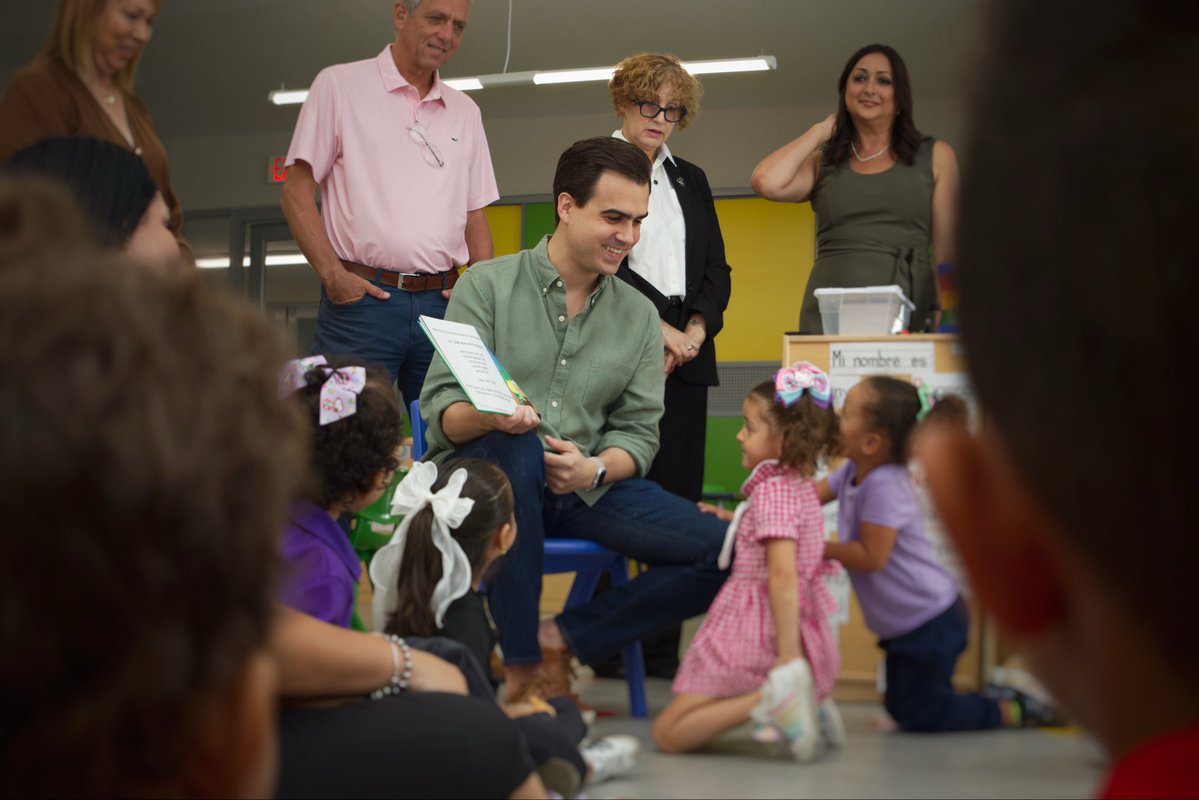
    • A man sits among young children in a classroom, smiling as he holds an open book. Several adults stand behind him, and children sit or kneel nearby. A sign and other text are visible in the background.
      A man sits among young children in a classroom, smiling as he holds an open book. Several adults stand behind him, and children sit or kneel nearby. A sign and other text are visible in the background.View post
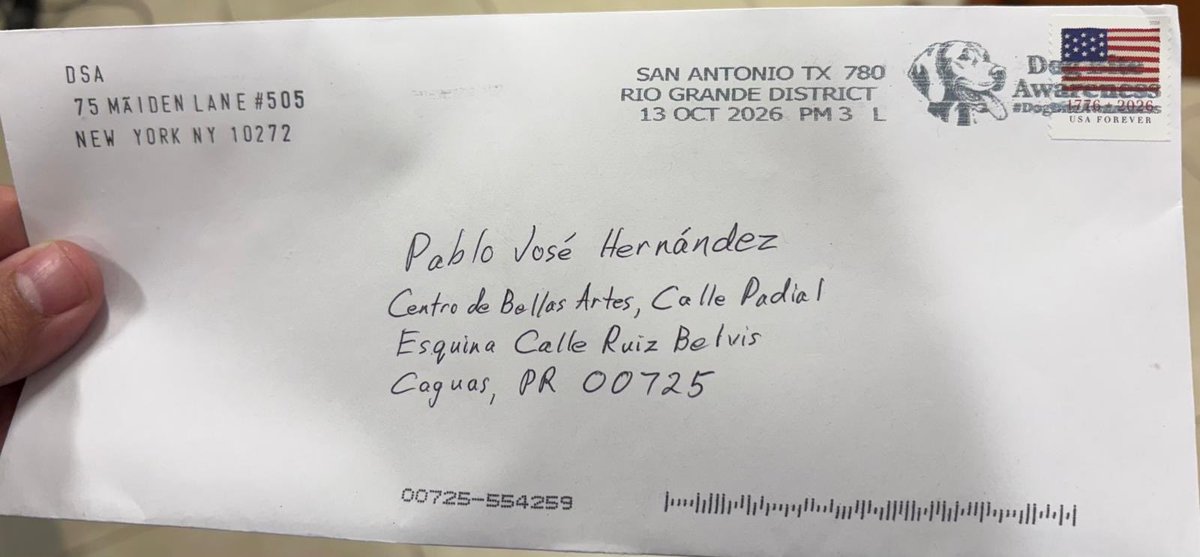
    • A hand holds a white addressed envelope with a handwritten recipient address, printed return address and postal markings, and a U.S. postage stamp.
      A hand holds a white addressed envelope with a handwritten recipient address, printed return address and postal markings, and a U.S. postage stamp.View post
    About the descriptions

    Written by a vision model and may be wrong. Open the post to see the original. Five are shown; the toggle shows the rest.

    Back to topNext: Methods and sources

    Methods and sources

    How this page was made. Profile built Oct 28, 2026; site last built Oct 28, 2026. Every number on the page is computed from the sources listed here, by the same rules for every official; nothing is written by hand.

    The headline

    The headline is the measure on which Rivera is most unusual among House Democrats, chosen by one rule for every official of every party. The candidates are the rate of each kind of statement and of extreme labels, party unity, attendance, the small-donor share, the in-state share and total receipts of the latest cycle, the share of sponsored bills that got out of committee, talk-to-bills agreement, and the CSIP score’s place within the party group.

    The builder ranks every measure within the same peer group the page compares it with, and writes each official’s percentile: the share of the group below the value, ties counting half, so 0.5 is the median and a value shared by many never ranks first. A measure’s score is how far that percentile sits from the median (0 in the middle, 0.5 at either end), and the highest score leads if it is above 0.25, outside the middle half of the group. Scores within 0.03 of each other are a tie, broken in this order: votes against the party majority, kinds of statement, ideology, roll calls missed, small donations, in-state money, legislation, agreement, extreme labels, receipts.

    A measure counts only with at least 200 statements, 100 roll calls or 5 sponsored bills behind it and a peer group of at least 10. Two things never lead: high party unity or attendance, where most members sit, and a high rate of a kind of statement backed by fewer than 10 statements. When nothing qualifies, the headline is a neutral fact instead: statements classified, or years in office. The wording always names the direction (“in the bottom 5% of …”, “votes against the majority of …”).


    Identifiers

    Profile id
    H001103
    Bioguide
    H001103
    FEC candidate ids
    H4PR01010

    Bulk files with the same data for every official:

    Freshness of this profile’s data

    • What politicians sayOct 27, 20261 days agoMembers of Congress: tweets since 2017; press releases, newsletters and floor speeches since 2022. State legislators: tweets since May 2024. Governors: tweets since January 2025. Labels from an LLM classifier.
    • Roll calls (Congress)Sep 30, 202628 days agoVoteview roll calls, 113th Congress (2013) on.
    • Bills (Congress)Oct 22, 20266 days agoGovInfo BILLSTATUS: sponsors, cosponsors, actions, CRS policy area.
    • Campaign money (FEC)Oct 22, 20266 days agoFEC committee financial summaries (totals, small donations) and itemized contributions (donor counts, states, employers), cycles 2020-2026; aggregates only.
    • Ideology (CSIP)Oct 25, 20263 days agoCommon-Space Ideal Points (CSIP), current validated run.
    • WebsitesOct 25, 20263 days agoWeekly crawls of federal sites since April 2026; monthly state crawls since June 2026.
    • ImagesOct 28, 2026todayImages in members' tweets with vision-model descriptions.

    How the measures work

    What politicians say
    Every post, press release, newsletter and congressional floor speech is read by a language model and marked for personal attacks, policy criticism, policy discussion, bipartisanship and credit claiming. A statement can be in several. Rates are shares of statements in the window. The methods paper.
    Extreme labels
    A statement has an extreme label when it calls a politician, party or policy “far left”, “far right”, “MAGA”, “extreme”, “radical”, “woke”, “fascist” or “communist”. The target is who the label is aimed at.
    Policy areas and agreement
    Statements and bills share 25 Congressional Research Service policy areas (state bills are assigned by a language model). Agreement is 1 − Jensen–Shannon distance between the two distributions, shown with at least 20 policy statements and 5 bills.
    Ideology (CSIP)
    Common-Space Ideal Points place federal and state officials on one left–right scale, estimated jointly from roll calls, campaign contributions and the text of statements, with standard errors. Only a validated run is shown. The methods paper.
    Campaign money
    Campaigns report by name only donors who give more than $200 in a cycle; smaller gifts are reported as one total. Federal totals and the small-donor share come from the FEC’s financial summaries of each campaign committee. Donor counts, donor states, employers and occupations cover itemized donors only. State filings report no small-gift totals, so state figures are itemized only. The lab never publishes donor names.
    Votes and key votes
    Attendance, party unity and the count of votes against the majority of an official’s own party come from roll calls (Voteview for Congress, chamber records for the states). Key votes are final-passage or override votes that became law, were decided by under 10%, saw at least 10% of a party vote against its majority, or concerned one of the 25 bills most mentioned in officials’ statements.
    Peers and ranks
    Comparisons are with the same party, chamber and level (for example House Democrats); state legislators are compared within their state and chamber for votes. Every comparison names its group. Rank 1 is the highest value in the group; tied values share the average of their ranks, and the percentile is the share of the group below the value, ties counting half.

    America’s Political Pulse · Polarization Research Lab

    Back to top