Skip to content

Democrat · U.S. House, California’s 26th district

2024 presidential vote here Harris +13.2 (the district as drawn for 2024; The Downballot)Won 2024 with 56.1%, by 12.1 points

Serving since Jan 3, 2013119th Congress (2025–27)next election Nov 7, 2028

Bioguide B001285FEC H2CA00120

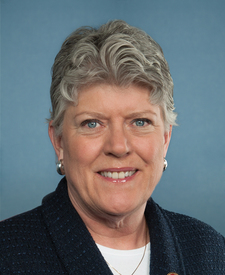
Portrait of Julia Brownley, rendered as a two-tone print
Official portrait
4.5×
the House Democrat rate of extreme labels

8.5% of 343 statements use an extreme label (29 statements); the average for House Democrats is 1.9%. Ranks 3rd of 216, where 1st is the highest rate. Most often aimed at Republicans.

An AI model reads each of Brownley’s newsletters, posts on X, Congressional Record speeches and press releases and marks whether it calls a politician, party or policy far left, far right, MAGA, extreme, radical, woke, fascist or communist. The rate is the share of statements marked; it is compared with the average among House Democrats and ranked against the same group.

At a glance

6 measures against House Democrats. 86% of Brownley’s statements discuss policy, in the top 5% of House Democrats (average 73%). 86% of Brownley’s itemized money in the 2026 cycle came from California, in the top tenth of House Democrats.

The measures on which Brownley sits furthest from the middle of House Democrats, each against the same group, with the CSIP score when there is one. Every number is explained in its own section below.

Extreme labels

8.5%

House Democrats average 1.9% · ranks 3rd of 216

Policy discussion

86%

House Democrats average 73% · ranks 5th of 216

From California, 2026

86%

Of itemized individual dollars · ranks 16th of 214 House Democrats

Raised, 2026

$580.0K

House Democrats’ median $2.0M · ranks 198th of 214

Policy criticism

35%

House Democrats average 27% · ranks 43rd of 216

CSIP ideology

−1.13

Left of 0, the centre of the scale · ± 0.01

Peer group: House Democrats. Rank 1 is the highest value in the group; the thick bar is Brownley, the thin grey bar the peer average. The headline is the measure on which Brownley is most unusual among peers (Methods, §08).

The district at a glance

Congressional District 26 (119th Congress): the district as drawn for 2024

The district’s page

Of every 100 people

751,824 people (±1,540)

District

United States

California

Race and ethnicity, of every 100 people: district, California and the United States
GroupDistrictCaliforniaU.S.
White413457
Black2512
Hispanic or Latino444019
Asian8156
Another race or more than one565

Hispanic or Latino people may be of any race; the other groups are not Hispanic.

Compared with the typical House district

Where it falls among the House districts: the centre rule is the median, the edges the lowest and the highest

← Lower than mostHigher than most →
Median household income
$115,500typical $78,700
Below the poverty line
9.0%typical 12%
Bachelor’s degree or moreadults 25 and over
38%typical 33%
Median age
39.4typical 39.1
Aged 65 and over
17%typical 17%
Born outside the U.S.
24%typical 10%
Veteranscivilian adults
4.7%typical 6.3%
Living in rural areas2020 Census
3.7%typical 15%
bottom 10%mediantop 10%
Show the data
Where it falls among the House districts
MeasureHere±The typical House districtPercentileStanding
Median household income$115,500±$1,733$78,70091higher than in 9 of every 10 House districts
Below the poverty line9.0%±0.512%19fewer than in 3 of every 4 House districts
Bachelor’s degree or more38%±0.633%64near the middle of the House districts
Median age39.4±0.239.154near the middle of the House districts
Aged 65 and over17%±0.317%47near the middle of the House districts
Born outside the U.S.24%±0.410%81more than in 3 of every 4 House districts
Veterans4.7%±0.26.3%26fewer than in 2 of every 3 House districts
Living in rural areas3.7%—15%31fewer than in 2 of every 3 House districts

Source: ACS 2020–2024 5-year estimates (Census Bureau); rural share from the 2020 Census.

About these figures

The figures from the American Community Survey are estimates from a sample, not a count. The ± beside each is its 90 percent margin of error: nine times in ten the true value lies within that range. In small districts the margins are wide, so a gap of a few points from California may be noise. Shares are of everyone in the district, except education (adults 25 and over), poverty (people whose poverty status is known) and veterans (civilian adults).

These are the Census Bureau’s own estimates for the district; margins on shares are approximated from the counts’ margins.

The rural share counts the people living outside the urban areas the Census Bureau drew from the 2020 Census; it is a count, with no margin of error.

Back to topNext: What politicians say

What Brownley says

Brownley attacks opponents personally more than 75% of House Democrats. Personal attacks in 9.0% of 343 statements, against 6.5% for the average House Democrat; 53rd of 216.

An AI model reads each of Brownley’s 343 statements in the 119th Congress (167 press releases, 150 posts on X, 13 newsletters, 13 Congressional Record speeches) and marks the kinds of statement it contains: a personal attack, criticism of a policy, discussion of policy, bipartisanship, credit claiming, and extreme labels. A statement can carry several. Every rate is compared with the average for House Democrats and ranked among them.

Kinds of statement

Share of statements carrying each label, the 119th Congress

0%80%
Brownley
Peers
Rank
Policy discussion294 statements
86%
73%
5th of 216
Policy criticism119 statements
35%
27%
43rd of 216
Credit claiming100 statements
29%
23%
43rd of 216
Bipartisanship42 statements
12%
10%
49th of 216
Personal attacks31 statements
9%
7%
53rd of 216
Show the data
Brownley's share of statements in each category against the House Democrats average.
RowBrownleyPeers
Policy discussion86%73%
Policy criticism35%27%
Credit claiming29%23%
Bipartisanship12%10%
Personal attacks9%7%
343

statements classified

167 press releases, 150 posts on X, 13 newsletters, 13 Congressional Record speeches.

press releases: 167 (48.7%)press releases 167posts on X: 150 (43.7%)posts on X 150newsletters: 13 (3.8%)Congressional Record speeches: 13 (3.8%)
Show the data
Brownley's statements by source
PartValue
press releases167
posts on X150
newsletters13
Congressional Record speeches13
How to read the bars

The thick bar is Brownley, in the colour of that kind of statement; the thin grey bar is the average House Democrats. A longer thick bar means Brownley does this more than peers. Rank 1 is the highest rate in the group.

Extreme labels

Brownley used extreme labels in 8.5% of statements, 4.5 times the peer average. 29 statements, most often aimed at Republicans; peers 1.9%.

  1. “extreme”23
  2. “far right”3
  3. “MAGA”2
  4. “radical”2

Who gets the labels

Targets named alongside an extreme label, by number of statements

  1. Republicans5
  2. Donald Trump3
  3. VA rule3
  4. Congress2
  5. abortion ban1
What an extreme label is

Calls a politician, a party or a policy “far left”, “far right”, “MAGA”, “extreme”, “radical”, “woke”, “fascist” or “communist”. The target is who or what the label was aimed at. The lists show the five most used labels and targets; the toggle shows the rest.

Month by month

Share of statements per month, the 119th Congress

Statements2025-01: 342025-02: 422025-03: 382025-04: 442025-05: 382025-06: 102025-07: 132025-08: 62025-09: 202025-10: 112025-11: 152025-12: 102026-01: 152026-02: 102026-03: 72026-04: 62026-05: 52026-06: 92026-07: 32026-08: 12026-09: 02026-10: 62026-11: 0peak 44 · Apr ’25Personal attackspeak 20.0% · Feb ’26 · latest 20.0%Personal attacks, 2025-01: 5.9% of 34Personal attacks, 2025-02: 11.9% of 42Personal attacks, 2025-03: 13.2% of 38Personal attacks, 2025-04: 9.1% of 44Personal attacks, 2025-05: 7.9% of 38Personal attacks, 2025-06: 10.0% of 10Personal attacks, 2025-07: 15.4% of 13Personal attacks, 2025-08: not plotted (fewer than 10 statements)Personal attacks, 2025-09: 0.0% of 20Personal attacks, 2025-10: 0.0% of 11Personal attacks, 2025-11: 13.3% of 15Personal attacks, 2025-12: 10.0% of 10Personal attacks, 2026-01: 13.3% of 15Personal attacks, 2026-02: 20.0% of 10Personal attacks, 2026-03: not plotted (fewer than 10 statements)Personal attacks, 2026-04: not plotted (fewer than 10 statements)Personal attacks, 2026-05: not plotted (fewer than 10 statements)Personal attacks, 2026-06: not plotted (fewer than 10 statements)Personal attacks, 2026-07: not plotted (fewer than 10 statements)Personal attacks, 2026-08: not plotted (fewer than 10 statements)Personal attacks, 2026-09: not plotted (fewer than 10 statements)Personal attacks, 2026-10: not plotted (fewer than 10 statements)Personal attacks, 2026-11: not plotted (fewer than 10 statements)Policy criticismpeak 60.0% · Feb ’26 · latest 60.0%Policy criticism, 2025-01: 32.4% of 34Policy criticism, 2025-02: 40.5% of 42Policy criticism, 2025-03: 26.3% of 38Policy criticism, 2025-04: 40.9% of 44Policy criticism, 2025-05: 31.6% of 38Policy criticism, 2025-06: 50.0% of 10Policy criticism, 2025-07: 15.4% of 13Policy criticism, 2025-08: not plotted (fewer than 10 statements)Policy criticism, 2025-09: 25.0% of 20Policy criticism, 2025-10: 18.2% of 11Policy criticism, 2025-11: 26.7% of 15Policy criticism, 2025-12: 40.0% of 10Policy criticism, 2026-01: 33.3% of 15Policy criticism, 2026-02: 60.0% of 10Policy criticism, 2026-03: not plotted (fewer than 10 statements)Policy criticism, 2026-04: not plotted (fewer than 10 statements)Policy criticism, 2026-05: not plotted (fewer than 10 statements)Policy criticism, 2026-06: not plotted (fewer than 10 statements)Policy criticism, 2026-07: not plotted (fewer than 10 statements)Policy criticism, 2026-08: not plotted (fewer than 10 statements)Policy criticism, 2026-09: not plotted (fewer than 10 statements)Policy criticism, 2026-10: not plotted (fewer than 10 statements)Policy criticism, 2026-11: not plotted (fewer than 10 statements)Policy discussionpeak 100.0% · Jul ’25 · latest 100.0%Policy discussion, 2025-01: 82.3% of 34Policy discussion, 2025-02: 88.1% of 42Policy discussion, 2025-03: 79.0% of 38Policy discussion, 2025-04: 68.2% of 44Policy discussion, 2025-05: 68.4% of 38Policy discussion, 2025-06: 90.0% of 10Policy discussion, 2025-07: 100.0% of 13Policy discussion, 2025-08: not plotted (fewer than 10 statements)Policy discussion, 2025-09: 90.0% of 20Policy discussion, 2025-10: 100.0% of 11Policy discussion, 2025-11: 93.3% of 15Policy discussion, 2025-12: 100.0% of 10Policy discussion, 2026-01: 100.0% of 15Policy discussion, 2026-02: 100.0% of 10Policy discussion, 2026-03: not plotted (fewer than 10 statements)Policy discussion, 2026-04: not plotted (fewer than 10 statements)Policy discussion, 2026-05: not plotted (fewer than 10 statements)Policy discussion, 2026-06: not plotted (fewer than 10 statements)Policy discussion, 2026-07: not plotted (fewer than 10 statements)Policy discussion, 2026-08: not plotted (fewer than 10 statements)Policy discussion, 2026-09: not plotted (fewer than 10 statements)Policy discussion, 2026-10: not plotted (fewer than 10 statements)Policy discussion, 2026-11: not plotted (fewer than 10 statements)Bipartisanshippeak 33.3% · Jan ’26 · latest 20.0%Bipartisanship, 2025-01: 14.7% of 34Bipartisanship, 2025-02: 4.8% of 42Bipartisanship, 2025-03: 18.4% of 38Bipartisanship, 2025-04: 0.0% of 44Bipartisanship, 2025-05: 5.3% of 38Bipartisanship, 2025-06: 10.0% of 10Bipartisanship, 2025-07: 7.7% of 13Bipartisanship, 2025-08: not plotted (fewer than 10 statements)Bipartisanship, 2025-09: 30.0% of 20Bipartisanship, 2025-10: 27.3% of 11Bipartisanship, 2025-11: 0.0% of 15Bipartisanship, 2025-12: 20.0% of 10Bipartisanship, 2026-01: 33.3% of 15Bipartisanship, 2026-02: 20.0% of 10Bipartisanship, 2026-03: not plotted (fewer than 10 statements)Bipartisanship, 2026-04: not plotted (fewer than 10 statements)Bipartisanship, 2026-05: not plotted (fewer than 10 statements)Bipartisanship, 2026-06: not plotted (fewer than 10 statements)Bipartisanship, 2026-07: not plotted (fewer than 10 statements)Bipartisanship, 2026-08: not plotted (fewer than 10 statements)Bipartisanship, 2026-09: not plotted (fewer than 10 statements)Bipartisanship, 2026-10: not plotted (fewer than 10 statements)Bipartisanship, 2026-11: not plotted (fewer than 10 statements)Credit claimingpeak 70.0% · Dec ’25 · latest 40.0%Credit claiming, 2025-01: 29.4% of 34Credit claiming, 2025-02: 35.7% of 42Credit claiming, 2025-03: 7.9% of 38Credit claiming, 2025-04: 6.8% of 44Credit claiming, 2025-05: 15.8% of 38Credit claiming, 2025-06: 50.0% of 10Credit claiming, 2025-07: 38.5% of 13Credit claiming, 2025-08: not plotted (fewer than 10 statements)Credit claiming, 2025-09: 35.0% of 20Credit claiming, 2025-10: 18.2% of 11Credit claiming, 2025-11: 46.7% of 15Credit claiming, 2025-12: 70.0% of 10Credit claiming, 2026-01: 53.3% of 15Credit claiming, 2026-02: 40.0% of 10Credit claiming, 2026-03: not plotted (fewer than 10 statements)Credit claiming, 2026-04: not plotted (fewer than 10 statements)Credit claiming, 2026-05: not plotted (fewer than 10 statements)Credit claiming, 2026-06: not plotted (fewer than 10 statements)Credit claiming, 2026-07: not plotted (fewer than 10 statements)Credit claiming, 2026-08: not plotted (fewer than 10 statements)Credit claiming, 2026-09: not plotted (fewer than 10 statements)Credit claiming, 2026-10: not plotted (fewer than 10 statements)Credit claiming, 2026-11: not plotted (fewer than 10 statements)Extreme labelspeak 27.3% · Oct ’25 · latest 0.0%Extreme labels, 2025-01: 5.9% of 34Extreme labels, 2025-02: 11.9% of 42Extreme labels, 2025-03: 7.9% of 38Extreme labels, 2025-04: 6.8% of 44Extreme labels, 2025-05: 2.6% of 38Extreme labels, 2025-06: 0.0% of 10Extreme labels, 2025-07: 7.7% of 13Extreme labels, 2025-08: not plotted (fewer than 10 statements)Extreme labels, 2025-09: 5.0% of 20Extreme labels, 2025-10: 27.3% of 11Extreme labels, 2025-11: 0.0% of 15Extreme labels, 2025-12: 20.0% of 10Extreme labels, 2026-01: 20.0% of 15Extreme labels, 2026-02: 0.0% of 10Extreme labels, 2026-03: not plotted (fewer than 10 statements)Extreme labels, 2026-04: not plotted (fewer than 10 statements)Extreme labels, 2026-05: not plotted (fewer than 10 statements)Extreme labels, 2026-06: not plotted (fewer than 10 statements)Extreme labels, 2026-07: not plotted (fewer than 10 statements)Extreme labels, 2026-08: not plotted (fewer than 10 statements)Extreme labels, 2026-09: not plotted (fewer than 10 statements)Extreme labels, 2026-10: not plotted (fewer than 10 statements)Extreme labels, 2026-11: not plotted (fewer than 10 statements)Jan ’25Jul ’25Jan ’26Jul ’26Nov ’26
Show the data
Monthly rates for Brownley, each row shaded against its own peak, with statement volume. Months with fewer than 10 statements are left blank.
ColumnStatementsPersonal attacksPolicy criticismPolicy discussionBipartisanshipCredit claimingExtreme labels
Jan ’25345.9%32.4%82.3%14.7%29.4%5.9%
Feb ’254211.9%40.5%88.1%4.8%35.7%11.9%
Mar ’253813.2%26.3%79.0%18.4%7.9%7.9%
Apr ’25449.1%40.9%68.2%0.0%6.8%6.8%
May ’25387.9%31.6%68.4%5.3%15.8%2.6%
Jun ’251010.0%50.0%90.0%10.0%50.0%0.0%
Jul ’251315.4%15.4%100.0%7.7%38.5%7.7%
Aug ’256— (fewer than 10 statements)— (fewer than 10 statements)— (fewer than 10 statements)— (fewer than 10 statements)— (fewer than 10 statements)— (fewer than 10 statements)
Sep ’25200.0%25.0%90.0%30.0%35.0%5.0%
Oct ’25110.0%18.2%100.0%27.3%18.2%27.3%
Nov ’251513.3%26.7%93.3%0.0%46.7%0.0%
Dec ’251010.0%40.0%100.0%20.0%70.0%20.0%
Jan ’261513.3%33.3%100.0%33.3%53.3%20.0%
Feb ’261020.0%60.0%100.0%20.0%40.0%0.0%
Mar ’267— (fewer than 10 statements)— (fewer than 10 statements)— (fewer than 10 statements)— (fewer than 10 statements)— (fewer than 10 statements)— (fewer than 10 statements)
Apr ’266— (fewer than 10 statements)— (fewer than 10 statements)— (fewer than 10 statements)— (fewer than 10 statements)— (fewer than 10 statements)— (fewer than 10 statements)
May ’265— (fewer than 10 statements)— (fewer than 10 statements)— (fewer than 10 statements)— (fewer than 10 statements)— (fewer than 10 statements)— (fewer than 10 statements)
Jun ’269— (fewer than 10 statements)— (fewer than 10 statements)— (fewer than 10 statements)— (fewer than 10 statements)— (fewer than 10 statements)— (fewer than 10 statements)
Jul ’263— (fewer than 10 statements)— (fewer than 10 statements)— (fewer than 10 statements)— (fewer than 10 statements)— (fewer than 10 statements)— (fewer than 10 statements)
Aug ’261— (fewer than 10 statements)— (fewer than 10 statements)— (fewer than 10 statements)— (fewer than 10 statements)— (fewer than 10 statements)— (fewer than 10 statements)
Sep ’260— (fewer than 10 statements)— (fewer than 10 statements)— (fewer than 10 statements)— (fewer than 10 statements)— (fewer than 10 statements)— (fewer than 10 statements)
Oct ’266— (fewer than 10 statements)— (fewer than 10 statements)— (fewer than 10 statements)— (fewer than 10 statements)— (fewer than 10 statements)— (fewer than 10 statements)
Nov ’260— (fewer than 10 statements)— (fewer than 10 statements)— (fewer than 10 statements)— (fewer than 10 statements)— (fewer than 10 statements)— (fewer than 10 statements)
How to read the strips

Each row is one kind of statement; each cell is a month, shaded against that row’s own peak (darker = closer to the peak), with the peak and the latest value written at the right. The top row counts statements. The strip covers every month of the 119th Congress, the same span as the rates above, including months with no statements. A month with fewer than 10 statements is hatched, not shaded: one or two posts would swing its rate to 0% or 100%. 10 months are hatched here; 2 of them have no statements.

In Brownley’s words

Real statements from the classifier’s example set, with the labels it assigned

Policy criticism

Brownley, Congressional Colleagues Slam HHS Effort to Dismantle Head Start Washington, DC – Today, Congresswoman Julia Brownley (CA-26) joined 189 Members of Congress in demanding that the Department of Health and Human Services (HHS) withdraw its proposal to remove more than 90 percent of Head Sta…

Oct 7, 2026 · Press releases · policy criticism; policy discussion; Education; Health; Civil Rights and Liberties, Minority Issues · Source

Personal attacks

Brownley, Schiff, Carbajal Launch Investigation into Sable Offshore’s Politicized Efforts to Restart Oil Drilling Operations Off Santa Barbara Coast Washington, DC – Today, Congresswoman Julia Brownley (D-Calif.-26), Senator Adam Schiff (D-Calif.), Congressman Salud Carbajal (D-Calif.-24), and memb…

May 27, 2026 · Press releases · personal attacks; policy discussion; Energy; Environmental Protection; Law; Government Operations and Politics; target: Donald Trump · Source

Extreme label

Brownley, Raskin, Schatz Fight Back Against MAGA Book Bans and Attacks on First Amendment Rights of the Free Press and of Citizens in Schools, Libraries and Museums Washington, DC – Congresswoman Julia Brownley (D-CA) joined Congressman Jamie Raskin (MD-08) and Senator Brian Schatz (D-HI) in introd…

Oct 5, 2026 · Press releases · policy discussion; credit claiming; Education; Civil Rights and Liberties, Minority Issues; extreme label “MAGA” aimed at MAGA · Source

Examples by category

Up to five recent statements in each category

Category

Overtly questions a named person’s character, integrity or loyalty, or calls them names. Criticising a record or a policy does not count.

  1. Press releases

    Brownley, Schiff, Carbajal Launch Investigation into Sable Offshore’s Politicized Efforts to Restart Oil Drilling Operations Off Santa Barbara Coast Washington, DC – Today, Congresswoman Julia Brownley (D-Calif.-26), Senator Adam Schiff (D-Calif.), Congressman Salud Carbajal (D-Calif.-24), and members of the California congressional delegation are launching an inquiry into Sable Offshore’s efforts to restart oil drilling off the California coast and are demanding answers on the company’s collaboration with the Trump administration to invoke the Defense Production Act (DPA) in relation to this

    personal attacks · policy discussion · Energy · Environmental Protection · Law · Government Operations and Politics · target: Donald TrumpSource

  2. Press releases

    Brownley Votes Yes on War Powers Resolution House Republicans Block Effort to End Unauthorized Hostilities with Iran Washington, DC – Today, Congresswoman Julia Brownley (D-CA) issued the following statement after the House failed to advance H.Con.Res. 38, a Concurrent War Powers Resolution directing the President to terminate the unauthorized use of U.S. Armed Forces from hostilities against Iran. “Without a coherent plan or clear path forward, Donald Trump has pushed the United States toward yet another costly war in the Middle East that has already claimed the lives of six American service

    personal attacks · policy discussion · Armed Forces and National Security · International Affairs · Law · target: Donald TrumpSource

  3. Press releases

    Brownley Responds to Trump’s Blatant Falsehoods and Failed Economic Agenda in State of the Union Address Washington, DC — Today, Congresswoman Julia Brownley (D-CA) issued the following statement in response to Donald Trump’s State of the Union Address: “For nearly two hours, Donald Trump delivered divisive rhetoric, empty platitudes, and blatant falsehoods. Instead of addressing the true state of our union, he deflected from the chaos and cruelty of his administration and peddled distortions to distract from his failure to deliver for the American people. “But the American people are not eas

    personal attacks · policy discussion · Agriculture and Food · Public Lands and Natural Resources · Armed Forces and National Security · International Affairs · Civil Rights and Liberties, Minority Issues · Environmental Protection · Crime and Law Enforcement · Foreign Trade and International Finance · Economics and Public Finance · Government Operations and Politics · Health · Immigration · Taxation · target: Donald TrumpSource

  4. Press releases

    Brownley Boycotts State of the Union Washington, DC — Congresswoman Julia Brownley (D-CA) announced that she will not attend tonight’s State of the Union. While she holds deep respect for the institution of Congress and the responsibility it carries, she said she cannot participate in what has become a platform for President Donald Trump’s continued assault on the Constitution, the rule of law, and the American people. “I respect this institution and the oath we take to uphold the Constitution. But I will not sit in the House Chamber and legitimize the lies, lawlessness, and cruelty that defi

    personal attacks · policy discussion · Agriculture and Food · Civil Rights and Liberties, Minority Issues · Economics and Public Finance · Health · Immigration · Law · target: Donald TrumpSource

  5. Press releases

    Brownley Statement on War Powers Resolution Washington, DC – Today, Congresswoman Julia Brownley (D-CA) released the following statement after the House failed to advance H.Con.Res. 68, a Concurrent War Powers Resolution directing the removal of U.S. Armed Forces from Venezuela that have not been authorized by Congress. “At a moment when Congress should assert its constitutional authority and act as a check on a lawless executive, the Republican majority instead chose blind loyalty to Donald Trump over their constitutional duty to the American people,” said Congresswoman Brownley. “The Americ

    personal attacks · policy discussion · bipartisanship · Armed Forces and National Security · International Affairs · Law · target: Donald TrumpSource

All 343 statements

Newest first, the 119th Congress

The full feed

Five statements at a time, newest first; filters apply to the statements loaded so far. Export saves the statements that match. Sources: 167 press releases, 150 posts on X, 13 newsletters, 13 Congressional Record speeches.

Back to topNext: Policy

Policy

Health is what Brownley talks about most: 39% of policy statements, above the peer share. Talk and legislation agree at 0.66 on a 0–1 scale (House Democrats average 0.67; 144th of 216).

Each policy statement is tagged by the AI model with one or more of 25 policy areas from the Congressional Research Service list, so the shares say what Brownley talks about. The bills Brownley sponsors and cosponsors carry the same areas, so the two can be compared.

What Brownley talks about

Share of policy statements by area, the 119th Congress

0%43%
Brownley
Peers
Health115 statements
39%
25%
Armed Forces and National Security89 statements
30%
16%
Civil Rights and Liberties, Minority Issues70 statements
24%
13%
Economics and Public Finance69 statements
23%
20%
Government Operations and Politics61 statements
21%
20%
Show the data
Policy areas Brownley talks about, as a share of policy statements, against the House Democrats average.
RowBrownleyPeers
Health39%25%
Armed Forces and National Security30%16%
Civil Rights and Liberties, Minority Issues24%13%
Economics and Public Finance23%20%
Government Operations and Politics21%20%
How to read the bars

The thick bar is the share of Brownley’s policy statements in an area; the thin grey bar is the average share for House Democrats. A statement counts once in each of its areas, so shares can add to more than 100%. The five largest areas are shown; the toggle shows the rest.

Talks about · legislates on

Left: share of statements by policy area. Right: share of bills. Areas in order of their share of statements; both sides run from 0 to 43%. Grey ticks are the House Democrats averages.

Talks aboutLegislates onHealthHealth, talks about: 39% (House Democrats 25%)39%Health, legislates on: 13% (House Democrats 16%)13%Armed Forces and NationalSecurityArmed Forces and National Security, talks about: 30% (House Democrats 16%)30%Armed Forces and National Security, legislates on: 17% (House Democrats 7%)17%Civil Rights and Liberties,Minority IssuesCivil Rights and Liberties, Minority Issues, talks about: 24% (House Democrats 13%)24%Civil Rights and Liberties, Minority Issues, legislates on: 3% (House Democrats 5%)3%Economics and Public FinanceEconomics and Public Finance, talks about: 23% (House Democrats 20%)23%Economics and Public Finance, legislates on: 0% (House Democrats 1%)0%Government Operations andPoliticsGovernment Operations and Politics, talks about: 21% (House Democrats 20%)21%Government Operations and Politics, legislates on: 8% (House Democrats 11%)8%
Show the data
Brownley's share of statements against share of bills in each policy area.
AreaTalks aboutHouse Democrats, talks aboutLegislates onHouse Democrats, legislates on
Health39%25%13%16%
Armed Forces and National Security30%16%17%7%
Civil Rights and Liberties, Minority Issues24%13%3%5%
Economics and Public Finance23%20%0%1%
Government Operations and Politics21%20%8%11%
0.66

talk-to-bills agreement, 0 to 1

House Democrats average 0.67. Ranks 144th of 216.

What agreement means, and what it doesn’t

Agreement is 1 minus the distance between the two distributions (Jensen–Shannon): 1 means Brownley legislates on exactly the areas Brownley talks about, in the same proportions; 0 means no overlap. It does not say whether the bills match the positions in the statements, only the subjects. Bills Brownley sponsored count fully, cosponsored bills a quarter. Shown with at least 20 policy statements and 5 bills.

Back to topNext: Ideology

Ideology

Brownley sits at −1.13 on the CSIP scale, left of 0, more liberal than 72% of House Democrats. Approximate range −1.15 to −1.12, which understates the uncertainty; from 3,496 donors and 7,460 roll calls.

CSIP, the lab’s Common-Space Ideal Point, places every official, federal and state, on one left–right scale, estimated from roll-call votes, who gives money to whom, and the text of statements. Negative is left of 0, positive right of it; 0 is the centre of the scale, not a definition of “moderate”.

−1.13

CSIP ideal point

Approximate range −1.15 to −1.12. From 3,496 donors and 7,460 roll calls. Run 2026-11-03T100151. Blue is left of 0, red right of 0.

← More liberalMore conservative →0Brownley −1.1House Democrats −1.0All House +0.4

The outlined dot is Brownley, coloured by its side of 0 (blue left, red right, deeper further out); the bar through it is the approximate range (±1.96 standard errors), which understates the uncertainty; the grey ticks below are the medians of Brownley’s groups. 0 is the centre of the scale, not “moderate” by definition.

What this means, and what it doesn’t

The score summarises how an official votes, who funds them and how they talk, relative to everyone else. It does not grade positions as good or bad, and two officials with the same score can differ on any single issue. The ± range is 1.96 standard errors, which understates the uncertainty: scores whose ranges overlap may not differ at all, and even scores whose ranges do not overlap may not differ.

Where Brownley sits

Every official in each group, on the CSIP scale

−2.0−1.00.0+1.0+2.0← More liberalMore conservative →House Democratsmedian −1.0Brownley −1.1All Housemedian +0.4
Show the data
Brownley's CSIP score of −1.13 placed against House Democrats, All House.
GroupOfficialsMedianShare left of Brownley
House Democrats217−1.028%
All House439+0.414%
How to read the strips

Every small dot is one official on the same scale, coloured by its own score (blue left of 0, red right of 0, grey at 0, deeper further out) and spread up and down only to keep dots apart; where a group is crowded the dots overlap, and darker patches mean more officials. The large outlined dot is Brownley in every row; the rule is each group’s median. The table under the figure gives the share of each group to the left of Brownley.

Back to topNext: Money

Money

Brownley raised $580.0K in the 2026 cycle, 29% of the House Democrats’ median of $2.0M. 18% of individual money came in gifts of $200 or less. 86% of itemized individual money came from California.

Campaign money from Federal Election Commission filings, as aggregates only; the lab never shows an individual donor. Campaigns must report by name every person who gives them more than $200 in a cycle (“itemized”); smaller gifts are reported only as one total (“unitemized”), so donor counts, donor states, employers and occupations describe itemized donors only.

Election cycle
$580.0K

raised in the 2026 cycle

From 151 itemized donors. House Democrats’ median $2.0M.

Where the money came from

Each square is one percent of 2026-cycle receipts, from FEC summary totals.

Itemized individual (over $200): $198.8K (34.3%)Itemized individual (over $200): $198.8K (34.3%)Itemized individual (over $200): $198.8K (34.3%)Itemized individual (over $200): $198.8K (34.3%)Itemized individual (over $200): $198.8K (34.3%)Itemized individual (over $200): $198.8K (34.3%)Itemized individual (over $200): $198.8K (34.3%)Itemized individual (over $200): $198.8K (34.3%)Itemized individual (over $200): $198.8K (34.3%)Itemized individual (over $200): $198.8K (34.3%)Itemized individual (over $200): $198.8K (34.3%)Itemized individual (over $200): $198.8K (34.3%)Itemized individual (over $200): $198.8K (34.3%)Itemized individual (over $200): $198.8K (34.3%)Itemized individual (over $200): $198.8K (34.3%)Itemized individual (over $200): $198.8K (34.3%)Itemized individual (over $200): $198.8K (34.3%)Itemized individual (over $200): $198.8K (34.3%)Itemized individual (over $200): $198.8K (34.3%)Itemized individual (over $200): $198.8K (34.3%)Itemized individual (over $200): $198.8K (34.3%)Itemized individual (over $200): $198.8K (34.3%)Itemized individual (over $200): $198.8K (34.3%)Itemized individual (over $200): $198.8K (34.3%)Itemized individual (over $200): $198.8K (34.3%)Itemized individual (over $200): $198.8K (34.3%)Itemized individual (over $200): $198.8K (34.3%)Itemized individual (over $200): $198.8K (34.3%)Itemized individual (over $200): $198.8K (34.3%)Itemized individual (over $200): $198.8K (34.3%)Itemized individual (over $200): $198.8K (34.3%)Itemized individual (over $200): $198.8K (34.3%)Itemized individual (over $200): $198.8K (34.3%)Itemized individual (over $200): $198.8K (34.3%)Unitemized individual (gifts of $200 or less): $42.5K (7.3%)Unitemized individual (gifts of $200 or less): $42.5K (7.3%)Unitemized individual (gifts of $200 or less): $42.5K (7.3%)Unitemized individual (gifts of $200 or less): $42.5K (7.3%)Unitemized individual (gifts of $200 or less): $42.5K (7.3%)Unitemized individual (gifts of $200 or less): $42.5K (7.3%)Unitemized individual (gifts of $200 or less): $42.5K (7.3%)PACs and other committees: $310.5K (53.5%)PACs and other committees: $310.5K (53.5%)PACs and other committees: $310.5K (53.5%)PACs and other committees: $310.5K (53.5%)PACs and other committees: $310.5K (53.5%)PACs and other committees: $310.5K (53.5%)PACs and other committees: $310.5K (53.5%)PACs and other committees: $310.5K (53.5%)PACs and other committees: $310.5K (53.5%)PACs and other committees: $310.5K (53.5%)PACs and other committees: $310.5K (53.5%)PACs and other committees: $310.5K (53.5%)PACs and other committees: $310.5K (53.5%)PACs and other committees: $310.5K (53.5%)PACs and other committees: $310.5K (53.5%)PACs and other committees: $310.5K (53.5%)PACs and other committees: $310.5K (53.5%)PACs and other committees: $310.5K (53.5%)PACs and other committees: $310.5K (53.5%)PACs and other committees: $310.5K (53.5%)PACs and other committees: $310.5K (53.5%)PACs and other committees: $310.5K (53.5%)PACs and other committees: $310.5K (53.5%)PACs and other committees: $310.5K (53.5%)PACs and other committees: $310.5K (53.5%)PACs and other committees: $310.5K (53.5%)PACs and other committees: $310.5K (53.5%)PACs and other committees: $310.5K (53.5%)PACs and other committees: $310.5K (53.5%)PACs and other committees: $310.5K (53.5%)PACs and other committees: $310.5K (53.5%)PACs and other committees: $310.5K (53.5%)PACs and other committees: $310.5K (53.5%)PACs and other committees: $310.5K (53.5%)PACs and other committees: $310.5K (53.5%)PACs and other committees: $310.5K (53.5%)PACs and other committees: $310.5K (53.5%)PACs and other committees: $310.5K (53.5%)PACs and other committees: $310.5K (53.5%)PACs and other committees: $310.5K (53.5%)PACs and other committees: $310.5K (53.5%)PACs and other committees: $310.5K (53.5%)PACs and other committees: $310.5K (53.5%)PACs and other committees: $310.5K (53.5%)PACs and other committees: $310.5K (53.5%)PACs and other committees: $310.5K (53.5%)PACs and other committees: $310.5K (53.5%)PACs and other committees: $310.5K (53.5%)PACs and other committees: $310.5K (53.5%)PACs and other committees: $310.5K (53.5%)PACs and other committees: $310.5K (53.5%)PACs and other committees: $310.5K (53.5%)PACs and other committees: $310.5K (53.5%)PACs and other committees: $310.5K (53.5%)Remainder not broken out in the FEC summary (transfers, loans, refunds): $28.3K (4.9%)Remainder not broken out in the FEC summary (transfers, loans, refunds): $28.3K (4.9%)Remainder not broken out in the FEC summary (transfers, loans, refunds): $28.3K (4.9%)Remainder not broken out in the FEC summary (transfers, loans, refunds): $28.3K (4.9%)Remainder not broken out in the FEC summary (transfers, loans, refunds): $28.3K (4.9%)
  • Itemized individual (over $200)34 squares$198.8K
  • Unitemized individual (gifts of $200 or less)7 squares$42.5K
  • PACs and other committees54 squares$310.5K
  • Remainder not broken out in the FEC summary (transfers, loans, refunds)5 squares$28.3K
Show the data
Sources of Brownley's money, 2026 cycle, one square per percent
SourceAmountShare
Itemized individual (over $200)$198.8K34.3%
Unitemized individual (gifts of $200 or less)$42.5K7.3%
PACs and other committees$310.5K53.5%
Remainder not broken out in the FEC summary (transfers, loans, refunds)$28.3K4.9%
What this means, and what it doesn’t

Totals say how much a campaign took in, not how it was spent, and they rise sharply when a seat is up for election; compare cycles with that in mind. The small-donor share understates small giving when a campaign itemizes gifts made through ActBlue or WinRed.

Receipts by cycle

Total receipts, 2020 to 2026. The grey line is the House Democrats’ median for 2026.

2020 cycle: $2.0M$2.0M20202022 cycle: $2.4M$2.4M20222024 cycle: $1.6M$1.6M20242026 cycle: $580.0K$580.0K2026House Democrats median $2.0M
Show the data
Brownley's receipts by cycle against the 2026 House Democrats median.
ItemValue
2020 cycle$2.0M
2022 cycle$2.4M
2024 cycle$1.6M
2026 cycle$580.0K

Top donor states, 2026

Itemized contributions by donor state. 86% came from California.

  1. California$139.2K
  2. Nevada$5,784
  3. District of Columbia$4,400
  4. Connecticut$3,500
  5. Florida$3,000

Small donations

Gifts of $200 or less as a share of individual money, by cycle. The thin grey bar is the 2026 House Democrats’ median.

0%60%
Brownley
Median
2026
18%
13%
2024
11%
13%
2022
18%
13%
2020
25%
13%
Show the data
Small-donor share by cycle against the House Democrats median
RowBrownleyMedian
2026 cycle18%13%
2024 cycle11%13%
2022 cycle18%13%
2020 cycle25%13%

Where itemized donors live

Individuals who gave more than $200, by donor state

Alaska: no dataAKMaine: no dataMEVermont: no dataVTNew Hampshire: no dataNHWashington: no dataWAIdaho: no dataIDMontana: no dataMTNorth Dakota: no dataNDMinnesota: no dataMNIllinois: no dataILWisconsin: no dataWIMichigan: no dataMINew York: $545NYRhode Island: no dataRIMassachusetts: $100MAOregon: $1,000ORNevada: $5,784NVWyoming: no dataWYSouth Dakota: no dataSDIowa: no dataIAIndiana: no dataINOhio: no dataOHPennsylvania: no dataPANew Jersey: no dataNJConnecticut: $3,500CTCalifornia: $139.2KCAUtah: no dataUTColorado: $2,800CONebraska: no dataNEMissouri: no dataMOKentucky: no dataKYWest Virginia: no dataWVVirginia: $500VAMaryland: $500MDDelaware: no dataDEArizona: no dataAZNew Mexico: no dataNMKansas: no dataKSArkansas: no dataARTennessee: no dataTNNorth Carolina: no dataNCSouth Carolina: no dataSCDistrict of Columbia: $4,400DCOklahoma: no dataOKLouisiana: no dataLAMississippi: no dataMSAlabama: no dataALGeorgia: no dataGAHawaii: $120HITexas: no dataTXFlorida: $3,000FL
Show the data
Brownley's itemized individual contributions by donor state, 2026 cycle
StateValue
California$139.2K
Nevada$5,784
District of Columbia$4,400
Connecticut$3,500
Florida$3,000
Colorado$2,800
Oregon$1,000
New York$545
Virginia$500
Maryland$500
Hawaii$120
Massachusetts$100
AlaskaNo data
MaineNo data
VermontNo data
New HampshireNo data
WashingtonNo data
IdahoNo data
MontanaNo data
North DakotaNo data
MinnesotaNo data
IllinoisNo data
WisconsinNo data
MichiganNo data
Rhode IslandNo data
WyomingNo data
South DakotaNo data
IowaNo data
IndianaNo data
OhioNo data
PennsylvaniaNo data
New JerseyNo data
UtahNo data
NebraskaNo data
MissouriNo data
KentuckyNo data
West VirginiaNo data
DelawareNo data
ArizonaNo data
New MexicoNo data
KansasNo data
ArkansasNo data
TennesseeNo data
North CarolinaNo data
South CarolinaNo data
OklahomaNo data
LouisianaNo data
MississippiNo data
AlabamaNo data
GeorgiaNo data
TexasNo data
151

itemized donors

People who gave more than $200

86%

from California

Of itemized individual dollars

How to read the map

Every state the same size. Darker states gave more itemized money; hatched states had no itemized donors; the outlined state is California. Gifts of $200 or less carry no address and are left out.

Donors’ ideology

Distribution of itemized donors’ own CSIP scores

CSIP −1.25 to −1.00: 72%72%CSIP −1.00 to −0.75: 28%← More liberalMore conservative →
Show the data
Ideology of Brownley's itemized donors in 2026, from −1.25 to −0.75: 72% between −1.25 and −1.00, 28% between −1.00 and −0.75.
ItemValue
CSIP −1.25 to −1.0072%
CSIP −1.00 to −0.7528%
How to read the columns

Donors who give to many candidates get their own CSIP score. Each column is the share of Brownley’s itemized money from donors in that part of the scale, blue left of 0 and red right of 0, deeper further out; Brownley’s own score is −1.13.

Top donor occupations

Itemized, 2026 cycle.

  1. NOT EMPLOYED$71.9K 71 donors
  2. CEO$20.8K 6 donors
  3. ATTORNEY$13.5K 9 donors
  4. RETIRED$7,505 12 donors
  5. PHYSICIAN$7,075 3 donors

Top committees

PAC and committee contributions, 2026 cycle.

  1. SOUTHWEST AIRLINES PILOTS ASSOCIATION POLITICAL ACTION COMMITTEE (SWAPA PAC)$7,500
  2. AIR LINE PILOTS ASSOCIATION PAC$5,000
  3. ALLIED PILOTS ASSOCIATION POLITICAL ACTION COMMITTEE$5,000
  4. AMERICAN ACADEMY OF OPHTHALMOLOGY INC POLITICAL COMMITTEE (OPHTHPAC)$5,000
  5. AMERICAN ASSOCIATION FOR JUSTICE POLITICAL ACTION COMMITTEE (AAJ PAC)$5,000

Top employers

Itemized, 2026 cycle.

  1. AMGEN INC$3,900 3 donors

Aggregates only. Individual donors are never named.

Back to topNext: Votes

Votes

Brownley voted with the majority of House Democrats on 99.1% of party-line votes and missed 3.1% of 687 roll calls. House Democrats on average: 96.3% party unity, 96.9% attendance. Across all roll calls, Brownley voted against the majority of House Democrats 5 times.

687 roll calls Brownley could vote on in the 119th Congress, compared with House Democrats. Attendance is the share with a vote recorded. Party unity counts only party-line roll calls, where most Democrats and most Republicans voted on opposite sides, and is the share of those where Brownley voted with the majority of House Democrats. The count of votes against that majority covers every roll call where the majority took a side.

5

votes against the majority of House Democrats

Party unity 99.1%, House Democrats average 96.3%, ranks 79th of 217. 687 roll calls in the 119th Congress.

Attendance and party unity

The thick bar is Brownley, the thin grey bar the House Democrats average. The scale runs from 80% to 100% to show the gap.

80%100%
Brownley
Peers
Rank
Attendance
96.9%
96.9%
155th of 217
Party unity
99.1%
96.3%
79th of 217
Show the data
Brownley's attendance and party unity against House Democrats.
RowBrownleyPeers
Attendance96.9%96.9%
Party unity99.1%96.3%
What this means, and what it doesn’t

A missed roll call has many causes, from illness to campaigning, so attendance says how often, not why. A vote against the majority can be on procedure as well as substance, and many fall on roll calls where both parties split; the key votes below show the ones that decided something.

Key votes

25 roll calls the lab flagged as key in the 119th Congress

Key votes
Party split (yea–nay)Why it’s key
Nov 17, 2026
H.R. 9600
Common Sense 250 Act
On Motion to Suspend the Rules and Pass
YeaWith majorityPassedD 202–0 · R 163–36Democrats 202 yea, 0 nay; Republicans 163 yea, 36 nayparty crossover
Nov 11, 2026
H.R. 1013
Retirement Fairness for Charities and Educational Institutions Act
On Passage
NayWith majorityPassedD 83–128 · R 211–0 · I 1–0Democrats 83 yea, 128 nay; Republicans 211 yea, 0 nay; Independents 1 yea, 0 nayparty crossover
Sep 16, 2026
S. 2403
Retire through Ownership Act
On Motion to Suspend the Rules and Pass
YeaWith majorityPassedD 209–0 · R 191–14 · I 1–0Democrats 209 yea, 0 nay; Republicans 191 yea, 14 nay; Independents 1 yea, 0 naybecame law
Sep 16, 2026
H.J.Res. 213
Providing for congressional disapproval under chapter 8 of title 5, United States Code, of the rule issued by the Environmental Protection Agency relating to the “California State Nonroad Engine Pollution Control Standards; Commercial Harbor Craft Regulations; Notice of Decision”
On Passage
NayWith majorityPassedD 3–207 · R 210–1 · I 1–0Democrats 3 yea, 207 nay; Republicans 210 yea, 1 nay; Independents 1 yea, 0 nayclose vote
Sep 16, 2026
H.R. 10326
PROOF Act
On Passage
NayWith majorityPassedD 6–206 · R 210–1 · I 1–0Democrats 6 yea, 206 nay; Republicans 210 yea, 1 nay; Independents 1 yea, 0 nayclose vote
How key votes are chosen

Automatically: a final-passage or override vote where the measure became law, the margin was under 10%, at least 10% of either party voted against its majority, or the bill was among the 25 most mentioned in officials’ own statements. Up to 25 per window, most recent first; five are shown. Bars show yea on the left, nay on the right, per party.

Votes most often with

The colleagues who voted the same way as Brownley most often

  1. Nancy PelosiD600 shared votes99%
  2. Katherine ClarkD663 shared votes99%
  3. Madeleine DeanD656 shared votes99%
  4. Emanuel Cleaver IID634 shared votes99%
  5. Johnny OlszewskiD661 shared votes99%

Votes least often with

The colleagues who voted the same way as Brownley least often

  1. Chip RoyR624 shared votes16%
  2. Ralph NormanR593 shared votes18%
  3. Andy BiggsR605 shared votes18%
  4. Keith SelfR651 shared votes18%
  5. Eric BurlisonR634 shared votes18%
How to read the agreement lists

The share of roll calls both members voted on where they voted the same way, among colleagues sharing at least 50 such votes. High agreement with members of the other party is common on routine votes.

Full voting record

119th Congress (2025–27), loads in batches

Back to topNext: Legislation

Legislation

Brownley sponsored 55 bills in the 119th Congress; none became law. Cosponsored 632 others. 3.6% of sponsored bills got out of committee (House Democrats average 4.9%; 101st of 209).

The bills Brownley sponsored and cosponsored in the 119th Congress, from the official bill records, and how far each got: introduced, referred to or acted on in committee, passed one chamber, passed both, became law. A bill counts at every stage it has reached, so the blocks only shrink to the right.

Bills by stage

Counts for the 119th Congress

Sponsored55 billsSponsored, Introduced: 5555Sponsored, In committee: 5555Sponsored, Passed one chamber: 22Sponsored, Passed both chambers: 00Sponsored, Became law: 00Cosponsored632 billsCosponsored, Introduced: 632632Cosponsored, In committee: 632632Cosponsored, Passed one chamber: 2323Cosponsored, Passed both chambers: 11Cosponsored, Became law: 11IntroducedIncommitteePassed onechamberPassed bothchambersBecamelaw
Show the data
Bills Brownley sponsored and cosponsored, by furthest stage reached
RoleIntroducedIn committeePassed one chamberPassed both chambersBecame law
Sponsored5555200
Cosponsored6326322311
How to read the blocks

Ink blocks are bills Brownley sponsored, ochre blocks bills Brownley cosponsored; the figure above each block is the count. Most bills in any legislature never leave committee, so a short staircase is the norm.

3.6%

of sponsored bills got out of committee

House Democrats average 4.9%. Ranks 101st of 209.

Cosponsorship partners

Colleagues who most often cosponsor with Brownley, by number of shared bills in the 119th Congress; the square shows their party.

  1. Eleanor Norton99
  2. Judy Chu44
  3. André Carson39
  4. Rashida Tlaib38
  5. Jared Huffman34
What this means, and what it doesn’t

The score is the share of sponsored bills that a committee reported out or a chamber passed, with at least 5 sponsored bills, ranked within the peer group. Members of the majority party and committee chairs move more bills, so the rank reflects position in the chamber as well as effort. Cosponsorship partners are the five colleagues who share the most of Brownley’s bills; the toggle shows more.

Bill list

Sponsored and cosponsored, with status and policy area; five are shown, the toggle shows the rest

Bills sponsored and cosponsored
H.Res. 1672↗ official page (opens in a new tab)Recognizing violence against women in politics as a global phenomenon and supporting women's full and equal participation in political life.CosponsorNov 19, 2026In committeeUnassignedReferred to the House Committee on the Judiciary. Nov 19, 2026
H.Res. 1660↗ official page (opens in a new tab)Expressing support for the goals of National Adoption Day and National Adoption Month by promoting national awareness of adoption and the children awaiting families, celebrating children and families involved in adoption, and encouraging the people of the United States to secure safety, permanency, CosponsorNov 12, 2026In committeeFamiliesReferred to the House Committee on Education and Workforce. Nov 12, 2026
H.Res. 1663↗ official page (opens in a new tab)Expressing opposition to the use of State power against people in the United States seeking essential health care, including criminalization of the full range of sexual and reproductive health care such as abortion, gender-affirming care, and contraceptive care, and disapproving of State punishment CosponsorNov 12, 2026In committeeHealthReferred to the Committee on Energy and Commerce, and in addition to the Committee on the Judiciary, for a period to be subsequently determined by the Speaker, in each case for consideration of such provisions as fall within the jurisdiction of the committee concerned. Nov 12, 2026
H.R. 11003↗ official page (opens in a new tab)Abuse of the Pardon Prevention Act of 2026CosponsorNov 11, 2026In committeeCrime and Law EnforcementReferred to the House Committee on the Judiciary. Nov 11, 2026
H.Res. 1653↗ official page (opens in a new tab)Honoring the service and sacrifice of America's veterans on Veterans Day, 2026.CosponsorNov 9, 2026In committeeArmed Forces and National SecurityReferred to the House Committee on Veterans' Affairs. Nov 9, 2026

Back to topNext: Lawmark

Lawmark Achievement Scores

Brownley’s Lawmark Achievement Score in the 119th Congress stands at −0.3. The 90% interval runs from −1.5 to +1.0, which takes in the median for the House (+1.0): the score is not distinguishable from the typical House member’s. Position contributes −0.5 and Brownley’s personal part +0.2.

The Lawmark Achievement Score measures how far a member’s own bills get against how far the same bills would be expected to get with another sponsor, step by step: committee action, leaving committee, passing the chamber, passing the other chamber, becoming law. It adds two parts. The part from position is what the member’s posts are worth (the majority party, chairs, ranking seats, leadership, seniority); the personal part is what the member adds beyond them. The unit is one standard deviation of members’ personal parts, and 0 is a first-term member of the minority with no committee post and an average personal record.

−0.3

Lawmark Achievement Score, 119th Congress

90% interval −1.5 to +1.0. Provisional: the Congress is still under way.

From position
−0.5 (−0.6 to −0.3)
Personal
+0.2 (−1.0 to +1.5)

Posts held: minority party · subcommittee ranking member · 7th Congress in the chamber.

With Brownley as sponsor, 0.6% of the House’s own bills in the 119th Congress would become law (90% interval 0.3% to 1.0%), against 1.0% for the median House member.

50 bills sponsored: 4 saw committee action, 4 left committee, 2 passed the House, 0 became law.

Brownley in the 119th Congress

The grey ticks are the 429 members of the House with at least five bills; the line is their median score

−2.00.0+2.0+4.0+6.0+8.0Median +1.0Score: −0.3 (90% interval −1.5 to +1.0)−0.3Scoreposition + personalFrom position: −0.5 (90% interval −0.6 to −0.3)−0.5From positionPersonal: +0.2 (90% interval −1.0 to +1.5)+0.2Personal
Show the data
Brownley’s Lawmark Achievement Score in the 119th Congress −0.3 (90% interval −1.5 to +1.0), from position −0.5, personal +0.2; the chamber median is +1.0.
PartEstimate90% interval
Score (position + personal)−0.3−1.5 to +1.0
From position−0.5−0.6 to −0.3
Personal+0.2−1.0 to +1.5
What this means, and what it doesn’t

The score credits a member for bills that move, not for bills filed: a member who introduces two hundred bills and sees six become law scores below one who introduces twenty and sees five. Each bill is compared with bills like it (its policy area, when in the Congress it was introduced, how many committees it went to, whether it is commemorative or an appropriations bill, how significant it looked when introduced), so an easy bill earns less than a hard one. Every score carries a 90% interval; where two members’ intervals overlap, the data do not tell them apart.

A Congress still under way is provisional: pending bills are counted as still able to move, on the schedule bills kept in past Congresses, and the score will change as they do. With fewer than five bills in a Congress, Brownley’s own contribution cannot be measured, and only the part from position is shown.

A methods paper on how the scores are estimated, and how to reproduce them, is forthcoming.

Congress by Congress

Newest first

−2.0−1.00.0+1.0+2.0+3.0+4.0119th: −0.3 (90% interval −1.5 to +1.0)−0.3119thHouse, provisional118th: −0.2 (90% interval −1.4 to +1.0)−0.2118thHouse117th: +2.5 (90% interval +1.3 to +3.6)+2.5117thHouse116th: +1.8 (90% interval +0.7 to +3.0)+1.8116thHouse115th: +0.6 (90% interval −0.5 to +1.9)+0.6115thHouse114th: +0.6 (90% interval −0.6 to +1.9)+0.6114thHouse113th: +0.6 (90% interval −0.6 to +1.9)+0.6113thHouse
Show the data
Brownley’s Lawmark Achievement Score by Congress: 119th −0.3; 118th −0.2; 117th +2.5; 116th +1.8; 115th +0.6; 114th +0.6; 113th +0.6.
CongressScore90% interval
119th (House, provisional)−0.3−1.5 to +1.0
118th (House)−0.2−1.4 to +1.0
117th (House)+2.5+1.3 to +3.6
116th (House)+1.8+0.7 to +3.0
115th (House)+0.6−0.5 to +1.9
114th (House)+0.6−0.6 to +1.9
113th (House)+0.6−0.6 to +1.9
How to read the rows

Each row is one Congress: the dot is the score and the bar its 90% interval. An open gold dot is the part from position alone, shown where Brownley had fewer than five bills. Scores compare members within a chamber and Congress; a member’s own scores are linked across Congresses, so a long record steadies each one.

Lawmark text in law

Words of enacted text that came from Brownley’s bills in the 119th Congress

No text from Brownley’s bills of the 119th Congress is in a law yet.

A further 125 words came from Brownley’s bills of the previous Congress; they are reported apart and not counted here.

Bill progress share

Volden–Wiseman method

0.99

119th Congress

1.0 is the average member of the House; a member with the same posts would be expected to reach 0.5, so this is above expectations.

The standard count: the member’s share of the chamber’s bills at each stage (introduced, committee action, out of committee, passed the chamber, became law), with commemorative bills counting least and significant ones most, scaled so the chamber averages 1. It rewards volume as well as success; the Lawmark Achievement Score does not.

Back to topNext: Online

Online

A site that changed 50 times in 90 days. Brownley’s official site had 40 pages when last crawled on Nov 22, 2026. The lab last catalogued the images Brownley posted on May 26, 2025.

The lab crawls Brownley’s official and campaign websites (weekly for Congress, monthly for the states) and keeps every page’s text, so changes can be read later; it also records social accounts and describes the images Brownley posts with a vision model.

Websites

How to read the counts

“Pages crawled” is the size of the site at the last crawl; “changes in 90 days” counts pages whose text differed from the previous crawl. Sites change for many routine reasons, such as new press releases, so a high count is not by itself notable.

Images Brownley posted

The latest 24, with model-written descriptions

  • The image shows a cemetery with numerous tombstones, a large tree in the foreground, and a person saluting. There is text on the image.
    The image shows a cemetery with numerous tombstones, a large tree in the foreground, and a person saluting. There is text on the image.View post
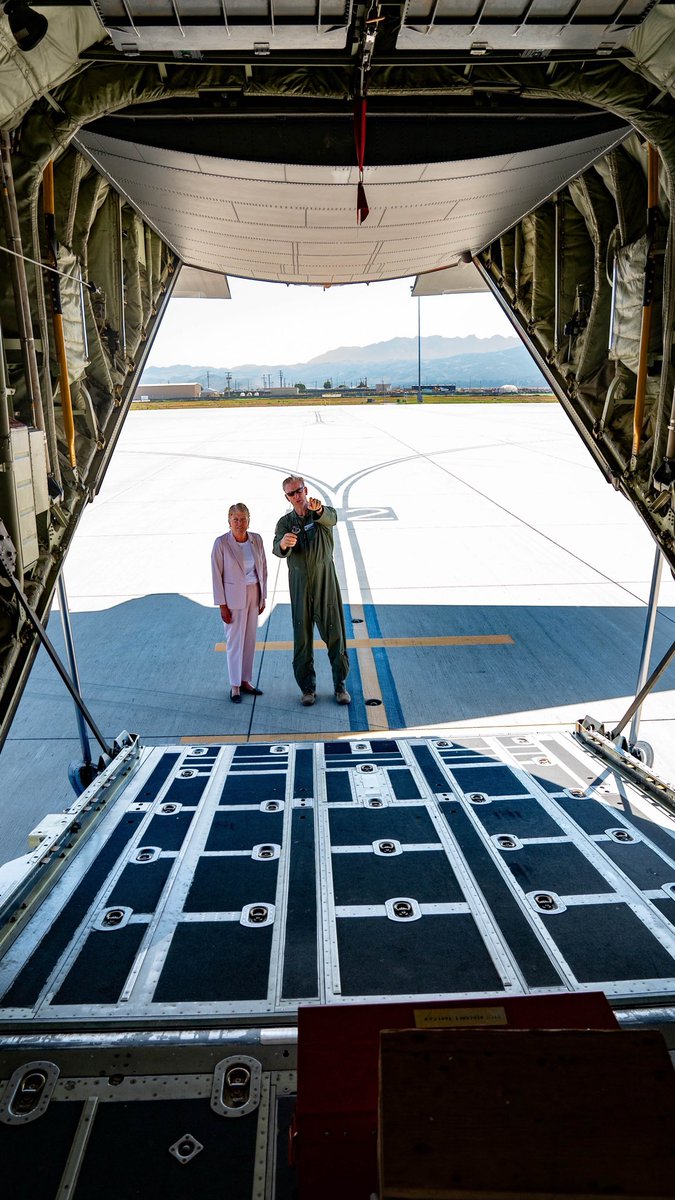
  • The image shows the interior view from the back of a large aircraft, looking out onto a tarmac. Two people are standing outside on the tarmac, one in a light-colored outfit and the other in a darker uniform. The aircraft door is open, and the tarmac, mountains, and some buildings are visible in the background. There is some text present on the aircraft.
    The image shows the interior view from the back of a large aircraft, looking out onto a tarmac. Two people are standing outside on the tarmac, one in a light-colored outfit and the other in a darker uniform. The aircraft door is open, and the tarmac, mountains, and some buildings are visible in the background. There is some text present on the aircraft.View post
  • The image shows five people in a small office setting, engaged in conversation. They are wearing uniforms and appear to be in a professional or military environment. There are various objects in the room, including a black case, wall decorations, and a computer monitor.
    The image shows five people in a small office setting, engaged in conversation. They are wearing uniforms and appear to be in a professional or military environment. There are various objects in the room, including a black case, wall decorations, and a computer monitor.View post
  • The image shows several people on an airfield. One person is in a flight suit and helmet, shaking hands with another person wearing a headset. There are buildings, vehicles, and a cloudy sky in the background. There is text on some signs.
    The image shows several people on an airfield. One person is in a flight suit and helmet, shaking hands with another person wearing a headset. There are buildings, vehicles, and a cloudy sky in the background. There is text on some signs.View post
  • The image shows a group of people walking outside. One person is wearing a light-colored suit, and the others are in military uniforms. Trees and a building are visible in the background. There is some text on the image.
    The image shows a group of people walking outside. One person is wearing a light-colored suit, and the others are in military uniforms. Trees and a building are visible in the background. There is some text on the image.View post
About the descriptions

Written by a vision model and may be wrong. Open the post to see the original. Five are shown; the toggle shows the rest.

Back to topNext: Methods and sources

Methods and sources

How this page was made. Profile built Nov 22, 2026; site last built Nov 22, 2026. Every number on the page is computed from the sources listed here, by the same rules for every official; nothing is written by hand.

The headline

The headline is the measure on which Brownley is most unusual among House Democrats, chosen by one rule for every official of every party. The candidates are the rate of each kind of statement and of extreme labels, party unity, attendance, the small-donor share, the in-state share and total receipts of the latest cycle, the share of sponsored bills that got out of committee, talk-to-bills agreement, and the CSIP score’s place within the party group.

The builder ranks every measure within the same peer group the page compares it with, and writes each official’s percentile: the share of the group below the value, ties counting half, so 0.5 is the median and a value shared by many never ranks first. A measure’s score is how far that percentile sits from the median (0 in the middle, 0.5 at either end), and the highest score leads if it is above 0.25, outside the middle half of the group. Scores within 0.03 of each other are a tie, broken in this order: votes against the party majority, kinds of statement, ideology, roll calls missed, small donations, in-state money, legislation, agreement, extreme labels, receipts.

A measure counts only with at least 200 statements, 100 roll calls or 5 sponsored bills behind it and a peer group of at least 10. Two things never lead: high party unity or attendance, where most members sit, and a high rate of a kind of statement backed by fewer than 10 statements. When nothing qualifies, the headline is a neutral fact instead: statements classified, or years in office. The wording always names the direction (“in the bottom 5% of …”, “votes against the majority of …”).


Identifiers

Profile id
B001285
Bioguide
B001285
FEC candidate ids
H2CA00120

Bulk files with the same data for every official:

Freshness of this profile’s data

  • What politicians sayNov 21, 20261 days agoMembers of Congress: tweets since 2017; press releases, newsletters and floor speeches since 2022. State legislators: tweets since May 2024. Governors: tweets since January 2025. Labels from an LLM classifier.
  • Roll calls (Congress)Nov 20, 20262 days agoVoteview roll calls, 113th Congress (2013) on.
  • Bills (Congress)Nov 20, 20262 days agoGovInfo BILLSTATUS: sponsors, cosponsors, actions, CRS policy area.
  • Lawmark Achievement Scores (Congress)Nov 13, 20269 days agoLawmark Achievement Scores, Lawmark text in law and the bill progress share, every Congress from the 113th (2013), from the bill status files, the printed bill texts and public committee rosters; weekly.
  • Campaign money (FEC)Nov 20, 20262 days agoFEC committee financial summaries (totals, small donations) and itemized contributions (donor counts, states, employers), the 2020 cycle on; aggregates only.
  • Ideology (CSIP)Nov 3, 202619 days agoCommon-Space Ideal Points (CSIP), current validated run.
  • WebsitesNov 22, 2026todayWeekly crawls of federal sites since April 2026; monthly state crawls since June 2026.
  • ImagesNov 22, 2026todayImages in members' tweets with vision-model descriptions.

How the measures work

What politicians say
Every post, press release, newsletter and congressional floor speech is read by a language model and marked for personal attacks, policy criticism, policy discussion, bipartisanship and credit claiming. A statement can be in several. Rates are shares of statements in the window. The methods paper.
Extreme labels
A statement has an extreme label when it calls a politician, party or policy “far left”, “far right”, “MAGA”, “extreme”, “radical”, “woke”, “fascist” or “communist”. The target is who the label is aimed at.
Policy areas and agreement
Statements and bills share 25 Congressional Research Service policy areas (state bills are assigned by a language model). Agreement is 1 − Jensen–Shannon distance between the two distributions, shown with at least 20 policy statements and 5 bills.
Ideology (CSIP)
Common-Space Ideal Points place federal and state officials on one left–right scale, estimated jointly from roll calls, campaign contributions and the text of statements, with standard errors. Only a validated run is shown. The methods paper.
Campaign money
Campaigns report by name only donors who give more than $200 in a cycle; smaller gifts are reported as one total. Federal totals and the small-donor share come from the FEC’s financial summaries of each campaign committee. Donor counts, donor states, employers and occupations cover itemized donors only. State filings report no small-gift totals, so state figures are itemized only. The lab never publishes donor names.
Votes and key votes
Attendance, party unity and the count of votes against the majority of an official’s own party come from roll calls (Voteview for Congress, chamber records for the states). Key votes are final-passage or override votes that became law, were decided by under 10%, saw at least 10% of a party vote against its majority, or concerned one of the 25 bills most mentioned in officials’ statements.
Peers and ranks
Comparisons are with the same party, chamber and level (for example House Democrats); state legislators are compared within their state and chamber for votes. Every comparison names its group. Rank 1 is the highest value in the group; tied values share the average of their ranks, and the percentile is the share of the group below the value, ties counting half.

America’s Political Pulse · Polarization Research Lab

Back to top